Look like you have not added anything to your cart. Go ahead & explore top categories.
Continue Shopping
Look like you have not added anything to your cart. Go ahead & explore top categories.
Continue Shopping
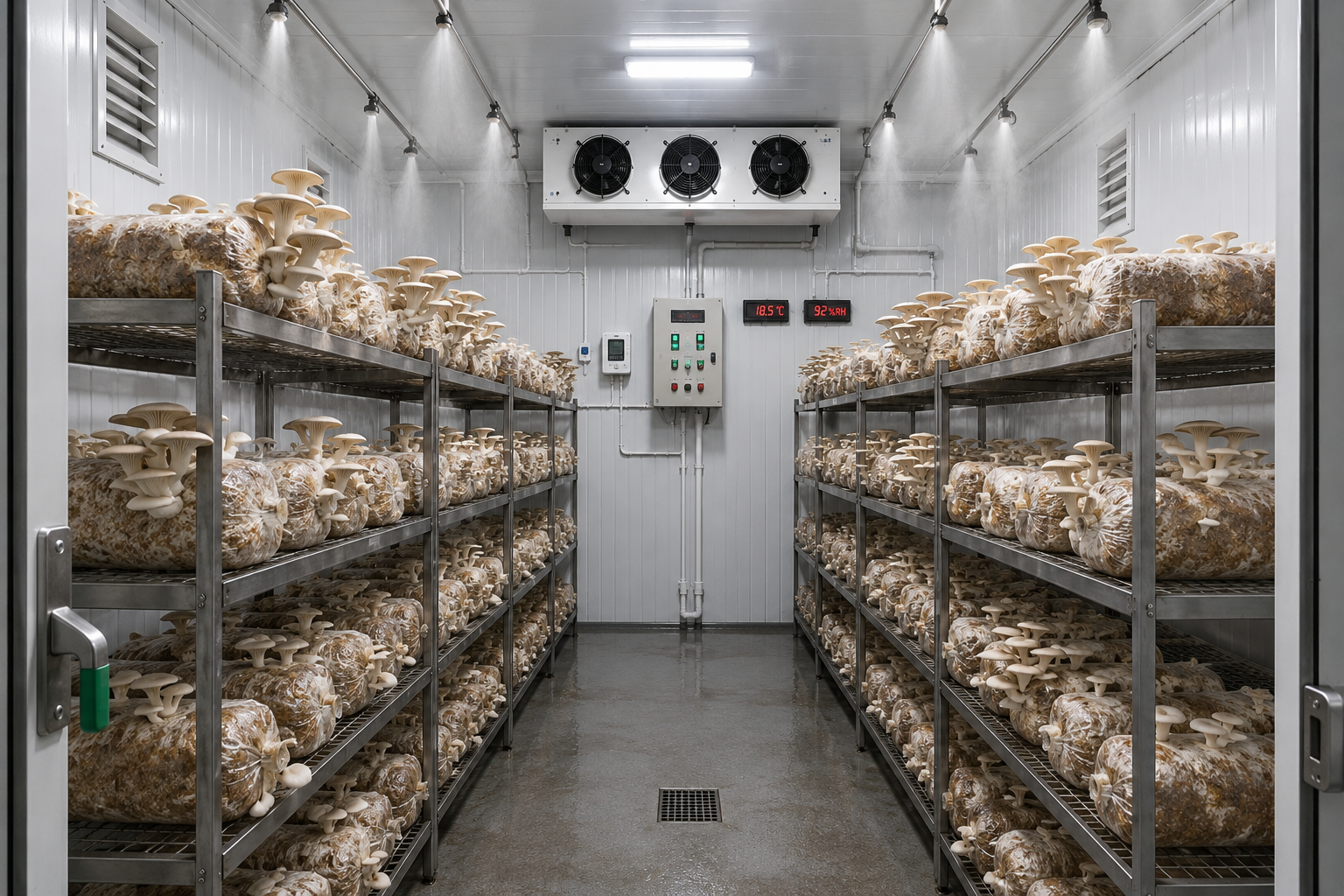
Mushroom cultivation has become one of the fastest-growing sectors in modern agriculture. With increasing demand from households, restaurants, hotels, and food processing industries, farmers are looking for reliable ways to improve mushroom yield and quality throughout the year. One of the most effective solutions is a Mushroom Growing Chamber, a controlled environment designed specifically to support mushroom growth under ideal conditions.
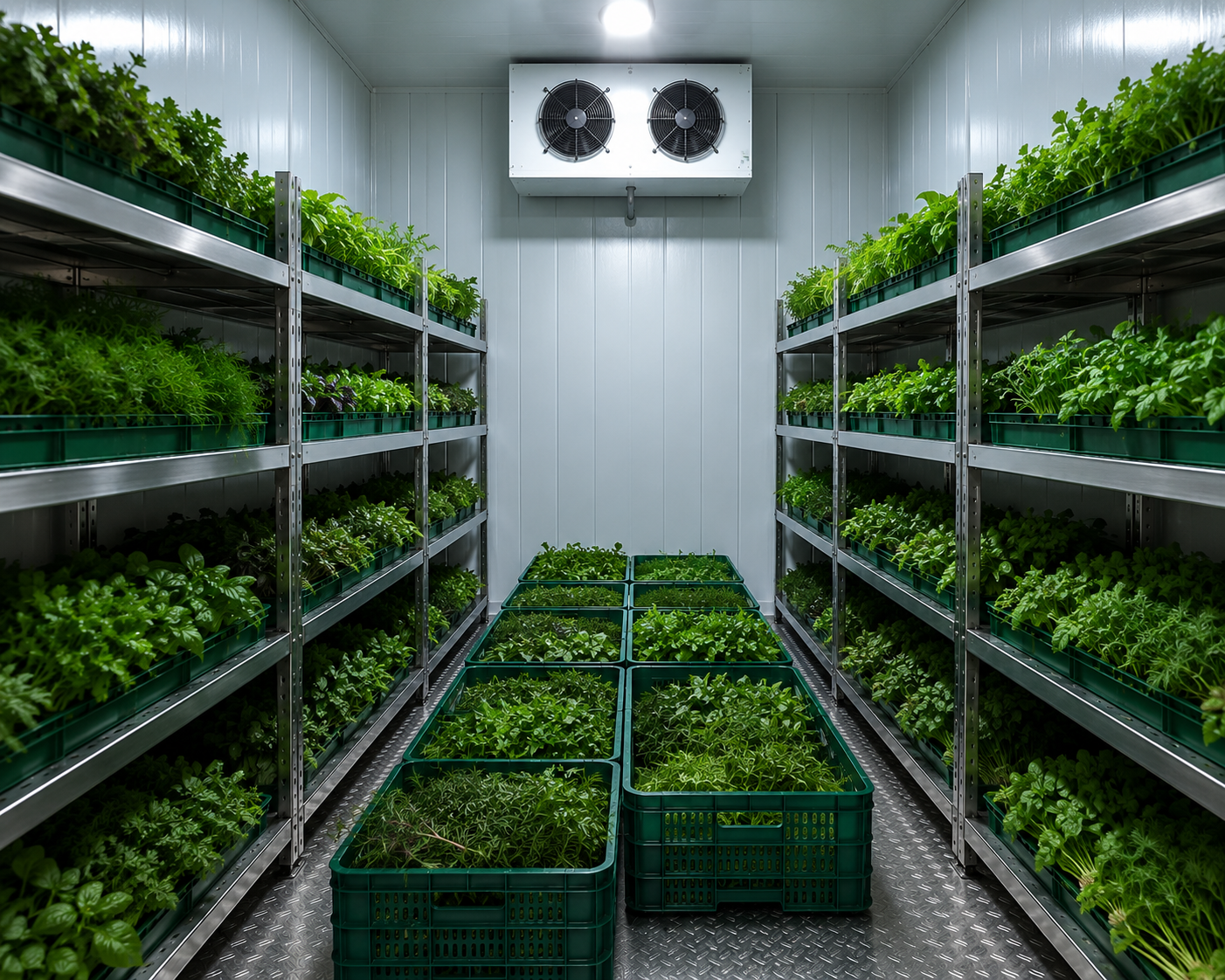
In today’s competitive agricultural and food supply industry, maintaining the freshness of herbs is not just important—it is essential. Herbs such as coriander, mint, basil, parsley, and medicinal plants are highly sensitive to temperature, humidity, and handling conditions. Even a few hours of improper storage can lead to wilting, discoloration, and loss of aroma.
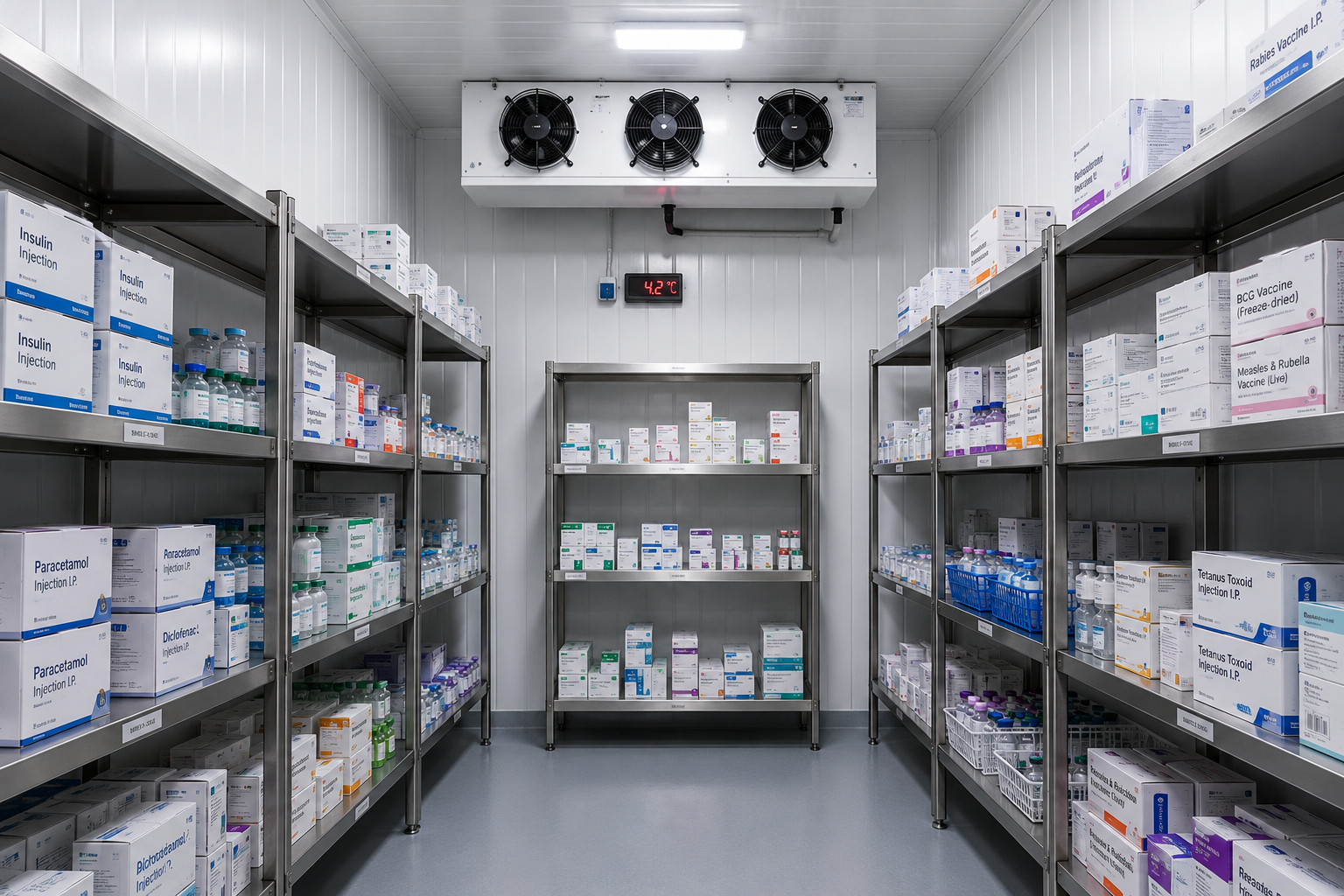
The pharmaceutical industry relies heavily on precise temperature control to maintain the effectiveness, safety, and quality of its products. Many medicines, vaccines, insulin, laboratory reagents, and healthcare products are highly sensitive to temperature fluctuations. Even a small deviation from the recommended storage conditions can reduce product efficacy and compromise patient safety.
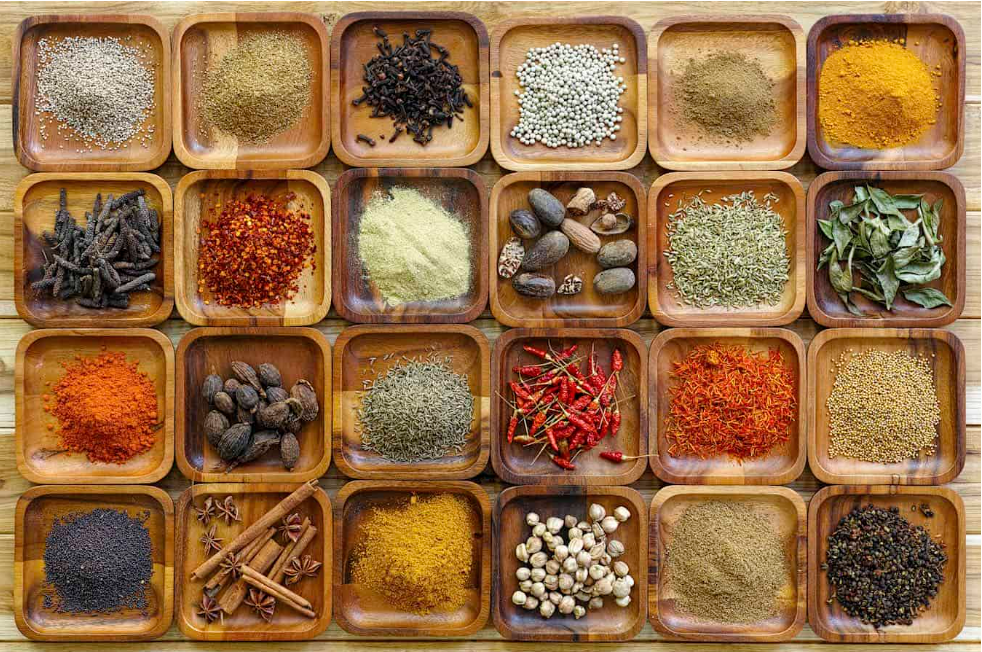
Spices are among the most valuable agricultural and food products used worldwide. From turmeric, cardamom, ginger, cinnamon, and cloves to chili powder and coriander, spices play a vital role in food processing, hospitality, pharmaceuticals, and export industries. However, improper storage can significantly affect their aroma, flavor, color, and market value.
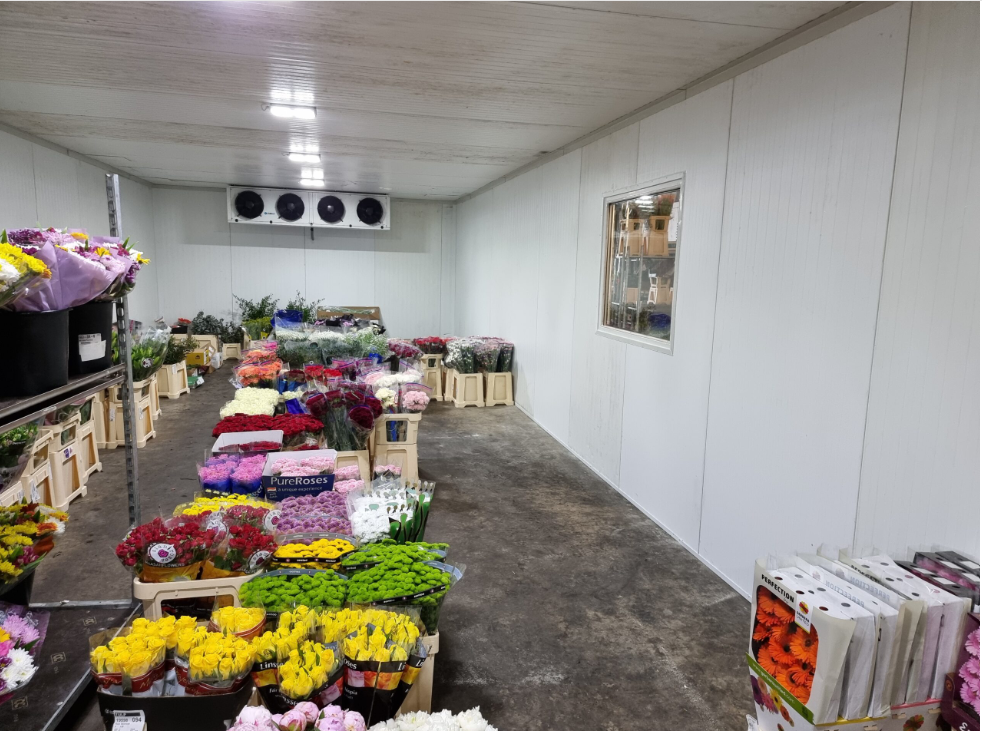
Flowers are among the most delicate agricultural products. From farms and nurseries to florists and event organizers, maintaining flower freshness during storage and transportation is essential for preserving their beauty, fragrance, and market value. Without proper temperature and humidity control, flowers can quickly wilt, lose their color, and have a significantly reduced vase life.
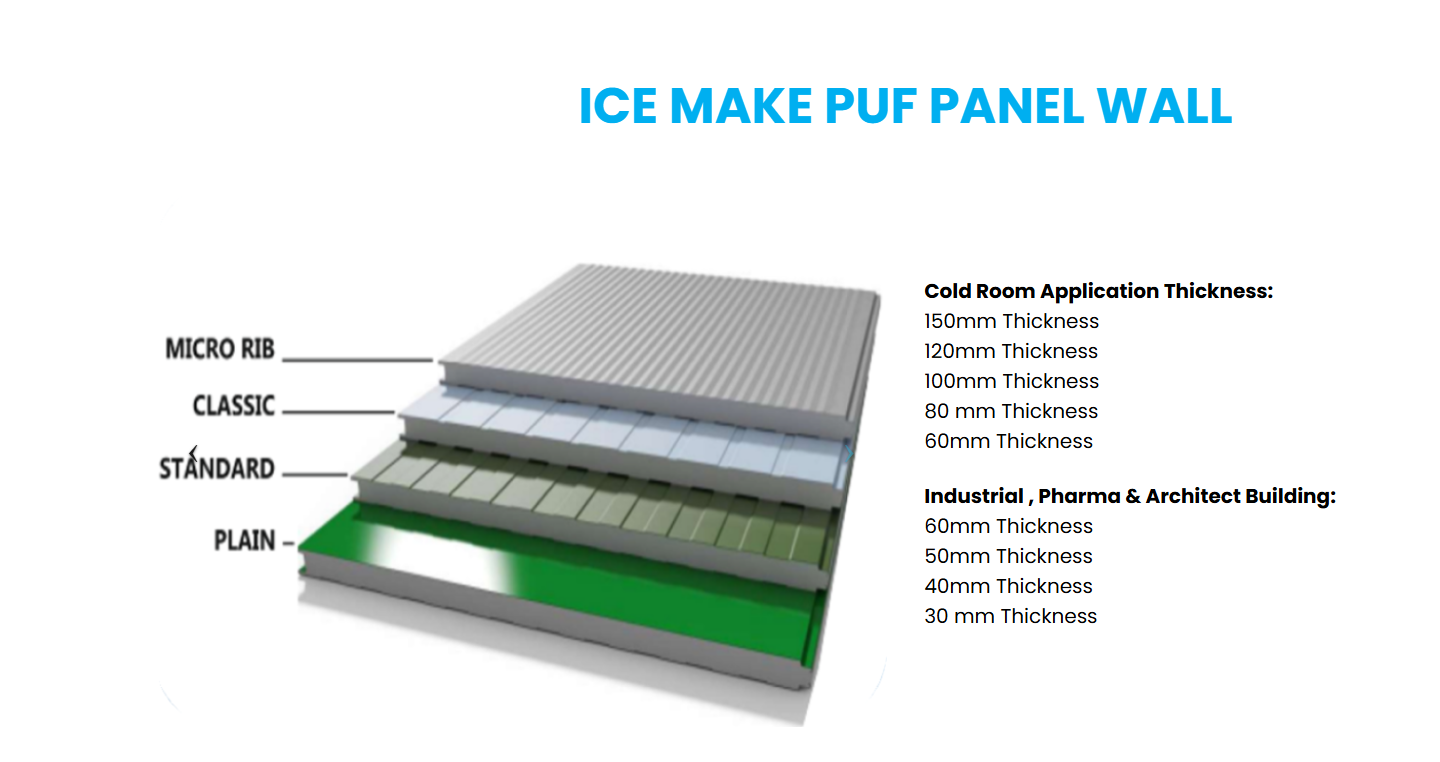
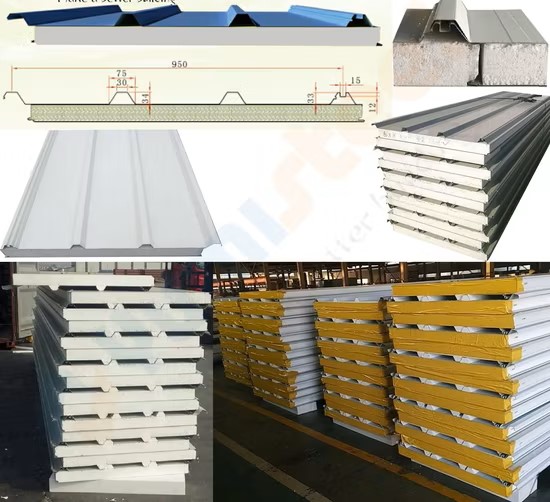
When designing a cold room, one of the most important decisions is selecting the right insulation panel. The performance, energy efficiency, operating cost, and lifespan of a cold room largely depend on the quality of the insulated panels used in its construction. Among the most commonly used insulation materials are Continuous Sandwich Panels and Continuous PUF (Polyurethane Foam) Panels.
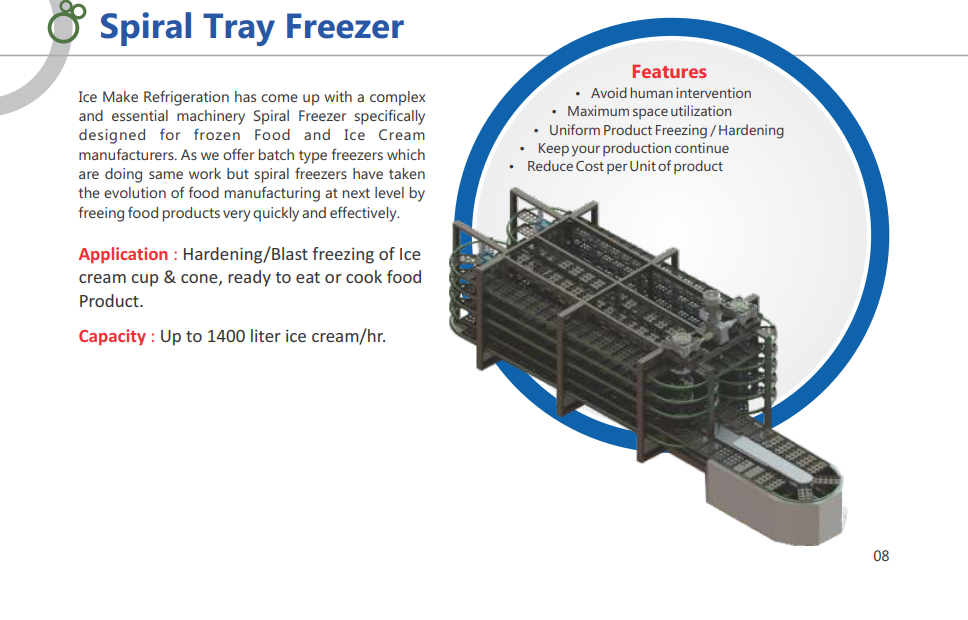
In the modern food processing industry, rapid freezing plays a critical role in maintaining product quality, texture, taste, and shelf life. Whether it is ice cream, ready-to-eat meals, or ready-to-cook food products, quick and efficient freezing is essential to preserve freshness and meet growing market demand. This is where a Spiral Tray Freezer becomes an ideal solution.
In today's competitive logistics and distribution industry, protecting products during transportation is just as important as manufacturing them. Many products such as bakery items, flowers, beverages, sweets, spices, and herbal products require protection from heat, dust, moisture, and external environmental conditions during transit. This is where a Dry Insulated Container becomes an ideal transportation solution.
Maintaining the correct temperature during transportation is one of the biggest challenges in the food and pharmaceutical industries. Whether transporting fresh dairy products, frozen foods, seafood, ice cream, vaccines, or other temperature-sensitive products, even a small temperature fluctuation can affect product quality and shelf life. This is where Eutectic Mobile Containers provide an innovative and reliable cold chain solution.
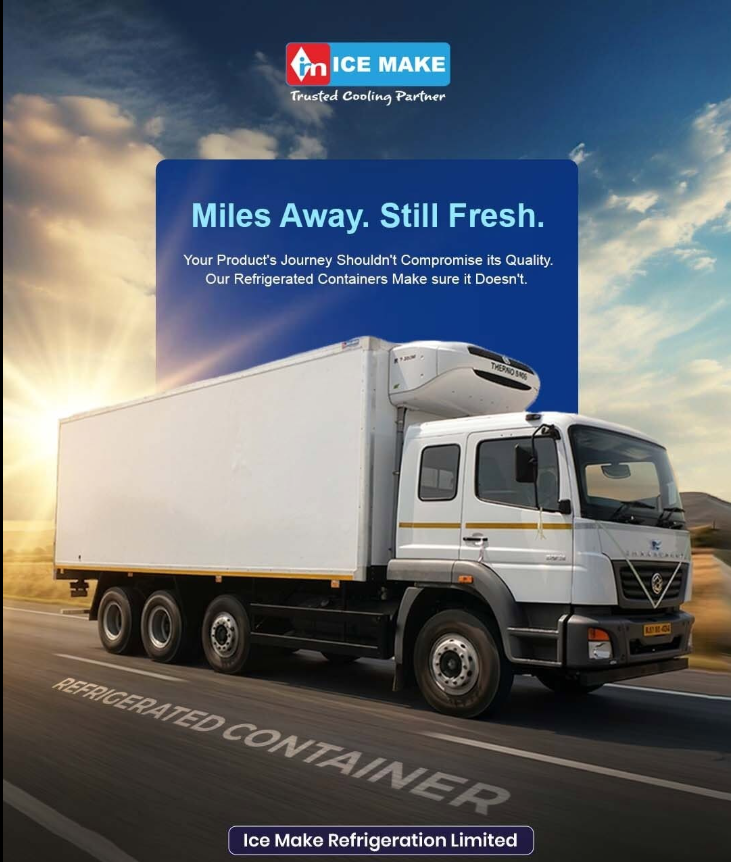
In today's fast-growing food and cold chain industry, maintaining the right temperature during transportation is just as important as proper storage. Whether transporting fresh vegetables, dairy products, meat, seafood, frozen foods, or pharmaceuticals, temperature fluctuations can significantly affect product quality and shelf life. This is where GRP Refrigerated Containers play a vital role.
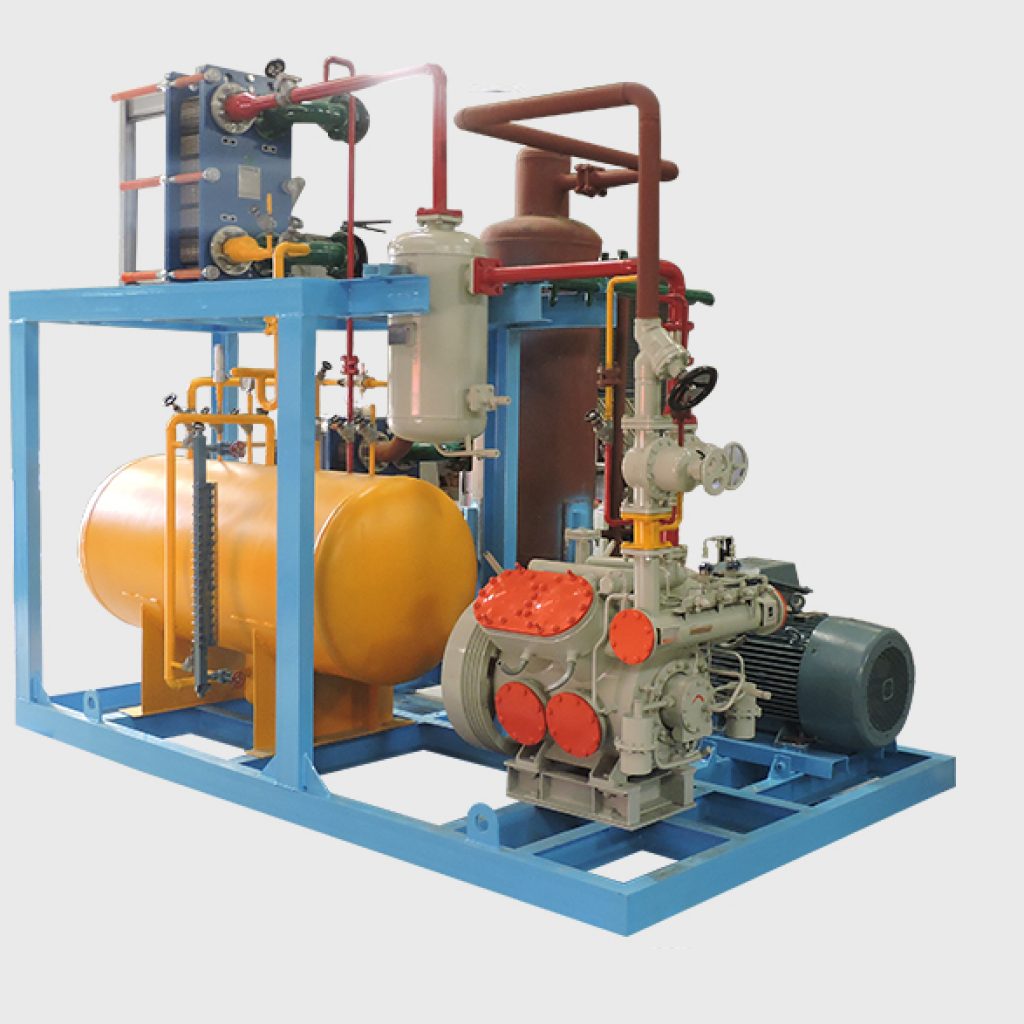
Ammonia refrigeration is one of the most efficient and widely used cooling technologies in industrial refrigeration. Due to its excellent heat transfer properties, low operating costs, and environmentally friendly nature, ammonia (NH₃) is commonly used in cold storage facilities, food processing plants, dairy industries, ice plants, blast freezers, and large refrigeration systems.
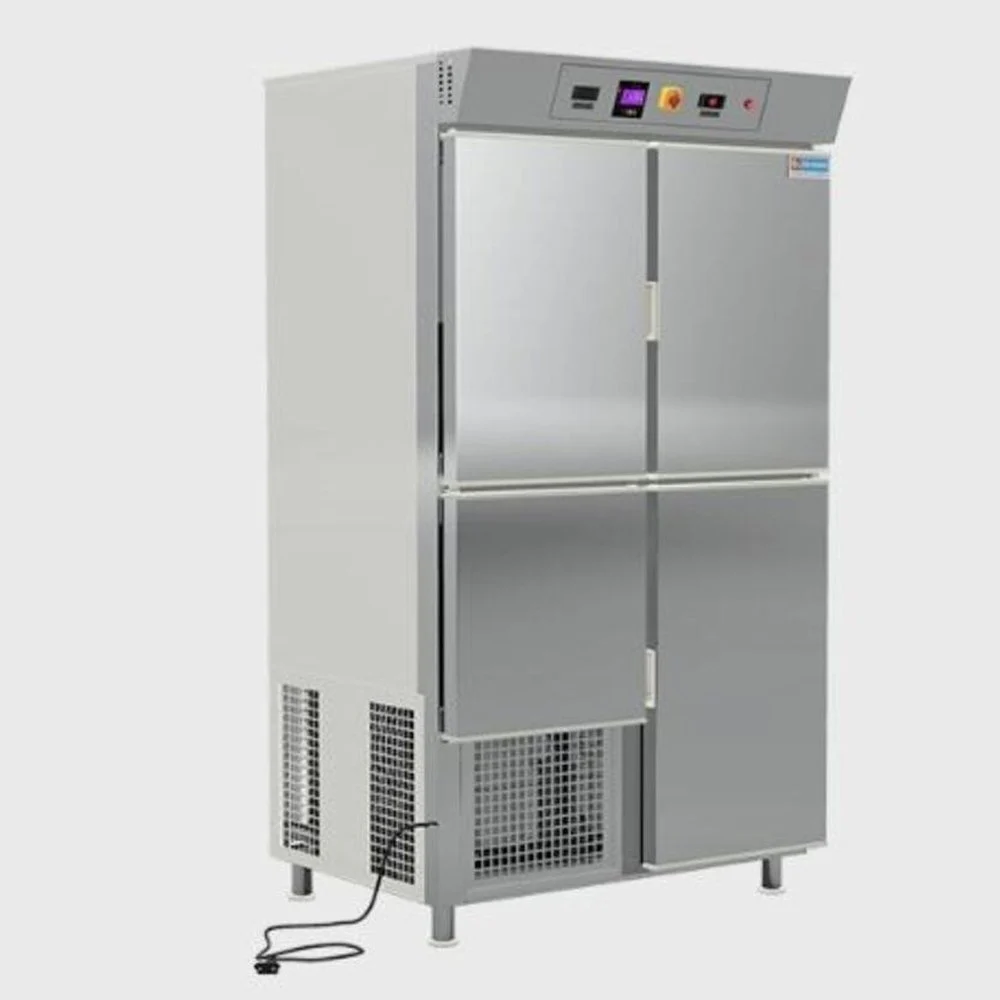
In today's food service, hospitality, dairy, bakery, and retail industries, maintaining the correct storage temperature is essential for preserving product quality, safety, and freshness. Whether you need to store dairy products, beverages, vegetables, bakery ingredients, frozen foods, or ice cream, choosing the right refrigeration equipment can significantly improve operational efficiency.
In the modern dairy industry, packaging plays a crucial role in maintaining milk quality, hygiene, and shelf life. With increasing demand for safe, fresh, and efficiently packed milk, automation has become essential for dairy plants in Nepal and other developing markets.
In modern agriculture and food preservation, maintaining the freshness of perishable products is a major challenge, especially in countries like Nepal where rural areas often face unstable electricity supply. Fruits, vegetables, dairy products, meat, and flowers require continuous cold storage to reduce post-harvest losses and maintain market value.
In the bakery industry, product quality depends not only on ingredients but also on the fermentation process. Whether producing bread, buns, pizza bases, dhokla, khaman, or other baked products, proper proofing is essential for achieving the desired texture, volume, and taste. This is where a Proofer for Bakery Products (Hot Steam Generator Type) plays a vital role.
In today's food processing and hospitality industries, maintaining product quality and food safety is essential. Whether it is a restaurant, bakery, confectionery, ice cream plant, or ready-to-eat food business, rapid freezing plays a critical role in preserving freshness. This is where a Blast Freezer becomes one of the most valuable pieces of equipment.
In today's food processing and packaging industry, maintaining product freshness and extending shelf life are major priorities. One of the most effective technologies used to achieve this is the Vacuum Packaging Machine. From meat and seafood to dairy products, dry fruits, spices, and frozen foods, vacuum packaging has become an essential solution for preserving quality and reducing food waste.
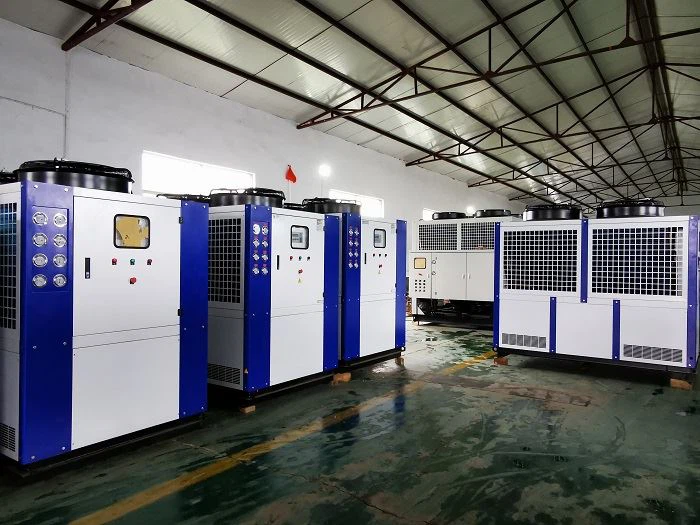
In industries where precise temperature control is critical, glycol and water chillers play a vital role in maintaining product quality and process efficiency. From dairy processing and beverage production to cold storage and food manufacturing, these cooling systems provide reliable and consistent chilled fluid for various industrial applications.
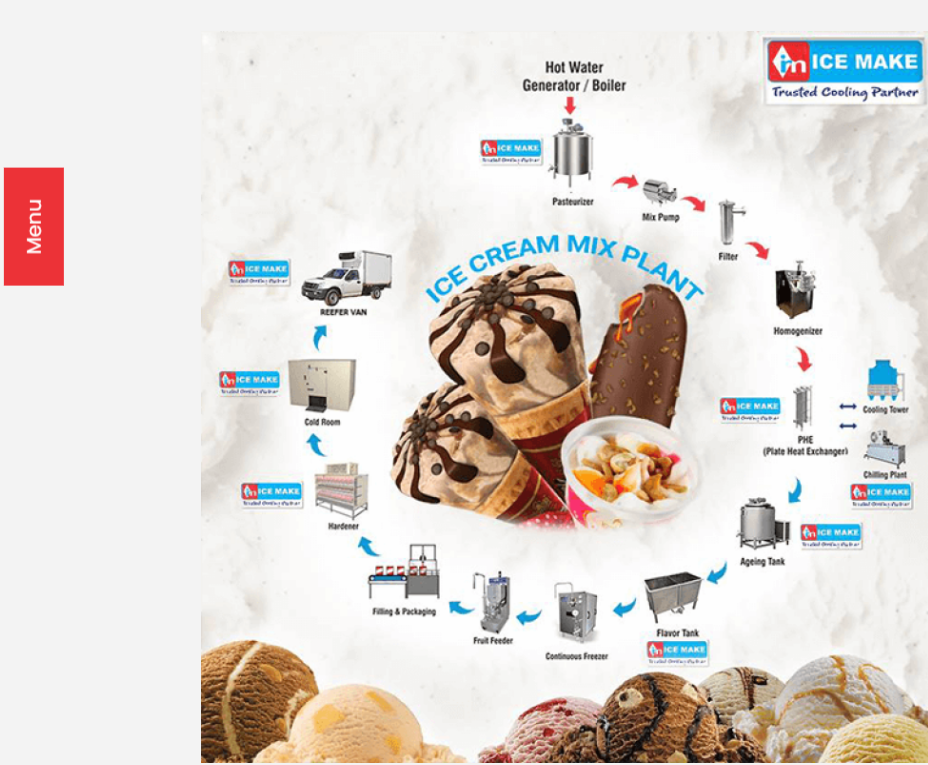
Ice cream is one of the world's most loved frozen desserts, but producing high-quality ice cream requires much more than simply freezing milk and sugar. Modern ice cream manufacturing involves a carefully controlled process that ensures consistent taste, smooth texture, food safety, and long shelf life. An Ice Cream Mix Plant is the heart of this production system, combining various processing stages such as mixing, pasteurization, homogenization, ageing, freezing, and hardening.
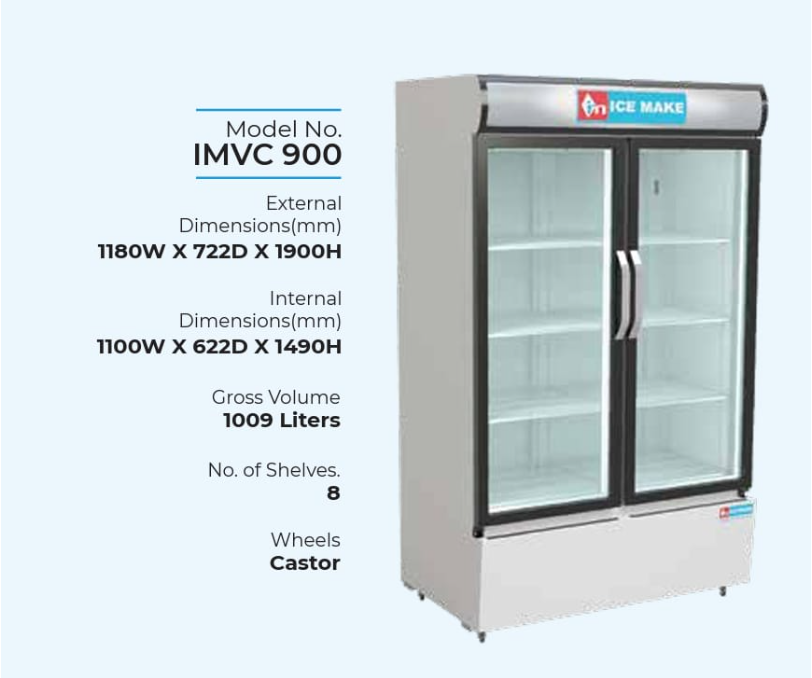
In today's competitive retail and food service industry, product presentation and freshness play a major role in attracting customers. Whether you operate a supermarket, café, restaurant, dairy outlet, bakery, pharmacy, or convenience store, a Visi Cooler is one of the most effective refrigeration solutions for displaying and preserving products. With transparent glass doors, efficient cooling systems, and attractive LED illumination, visi coolers help businesses increase sales while maintaining product quality.
In the modern dairy industry, maintaining milk quality and freshness during storage is extremely important. Since milk is highly perishable, it must be stored under controlled temperature conditions to prevent bacterial growth and spoilage. To achieve safe and efficient milk storage, dairy industries use advanced systems known as milk silos with PUF insulation. These storage systems are widely used in dairy plants, milk chilling centers, and large-scale milk processing industries for maintaining milk quality over long periods.
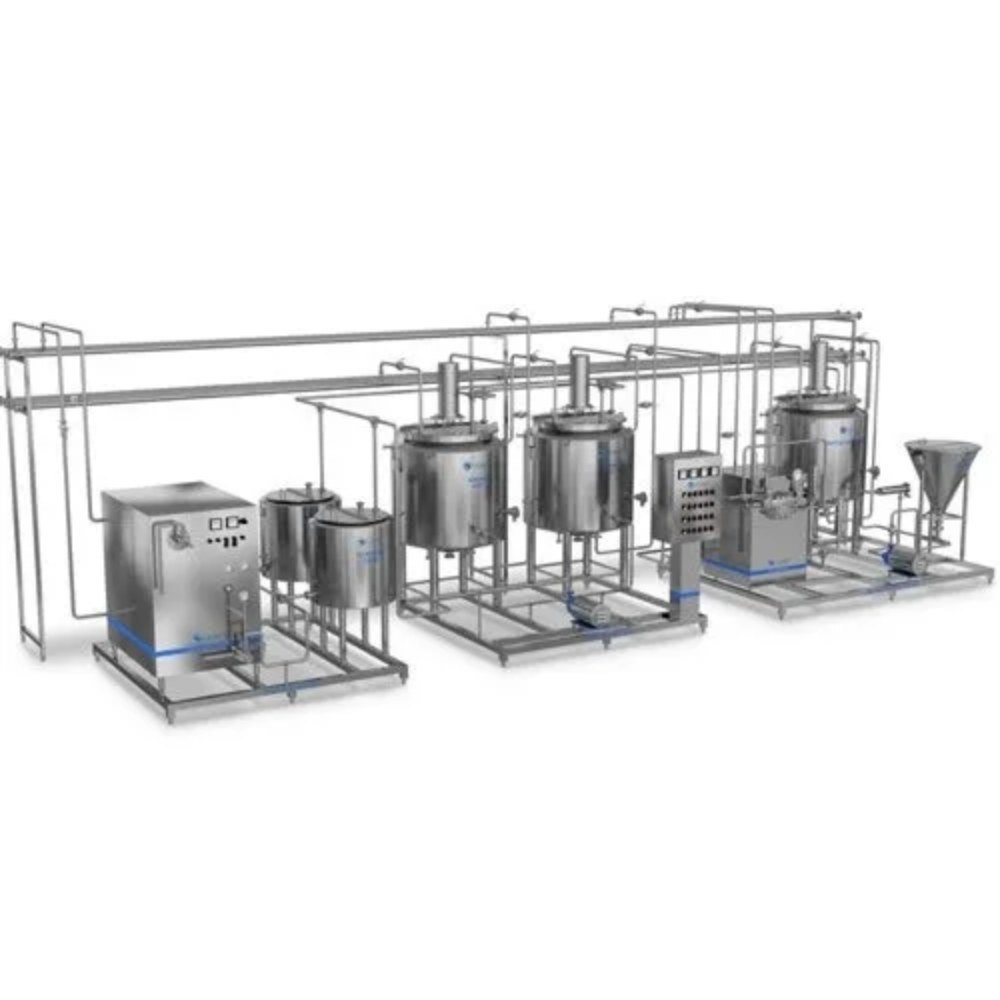
In the modern dairy industry, not all businesses require large industrial setups to start milk processing. Many small entrepreneurs, dairy farmers, and cooperatives prefer compact and cost-effective systems that can handle limited but consistent milk production. For such needs, the mini dairy plant (200 to 500 LPH) is an ideal solution that supports small-scale milk processing with efficiency, hygiene, and affordability.
In today’s rapidly growing dairy industry, large-scale milk processing has become essential to meet the increasing demand for safe, hygienic, and high-quality milk and milk products. As dairy consumption rises in both urban and rural markets, many industries and cooperatives are investing in high capacity dairy plants (5000 to 20000 LPH) to handle large volumes of raw milk efficiently and consistently.
In the modern dairy industry, milk processing plays a very important role in ensuring that safe, hygienic, and high-quality milk reaches consumers. With increasing demand for dairy products, many entrepreneurs and cooperatives are investing in medium-scale processing systems known as medium capacity dairy plants (1000 to 3000 LPH). These plants are designed to handle moderate volumes of raw milk efficiently while maintaining strict quality and hygiene standards.
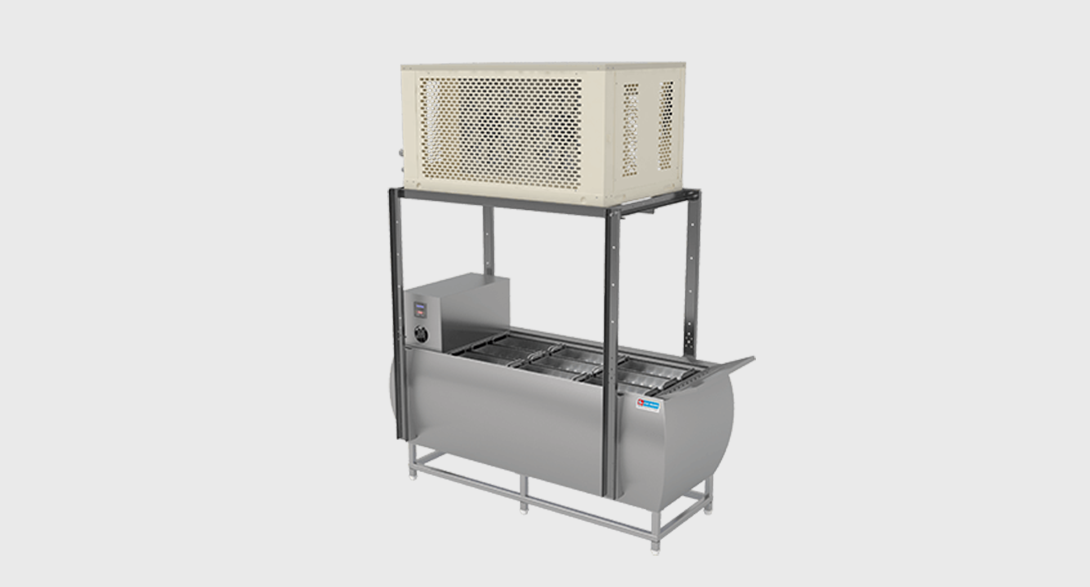
In the dairy industry, proper storage of milk is very important because milk is highly perishable and can lose its quality quickly if not kept under controlled temperature conditions. To maintain freshness, hygiene, and nutritional value, dairy farms and milk collection centers use milk storage tanks. Among them, the horizontal milk storage tank is a widely used and practical option, especially for small and medium-scale dairy operations.
In the modern dairy sector, maintaining the quality and freshness of milk is very important because milk is highly perishable and can easily get spoiled if not stored properly. To solve this problem, dairy farms, milk collection centers, and processing industries use advanced storage systems known as milk storage tanks. Among these, the vertical milk storage tank is one of the most widely used and efficient solutions for large-scale milk storage.
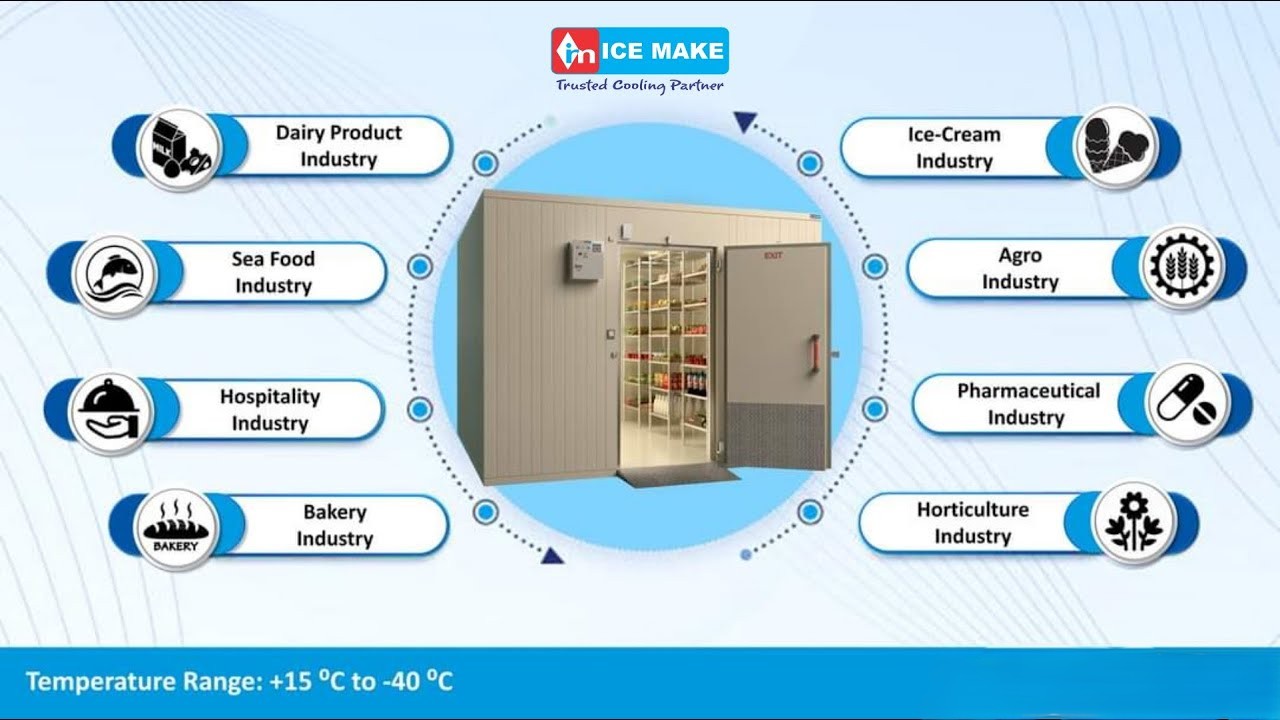
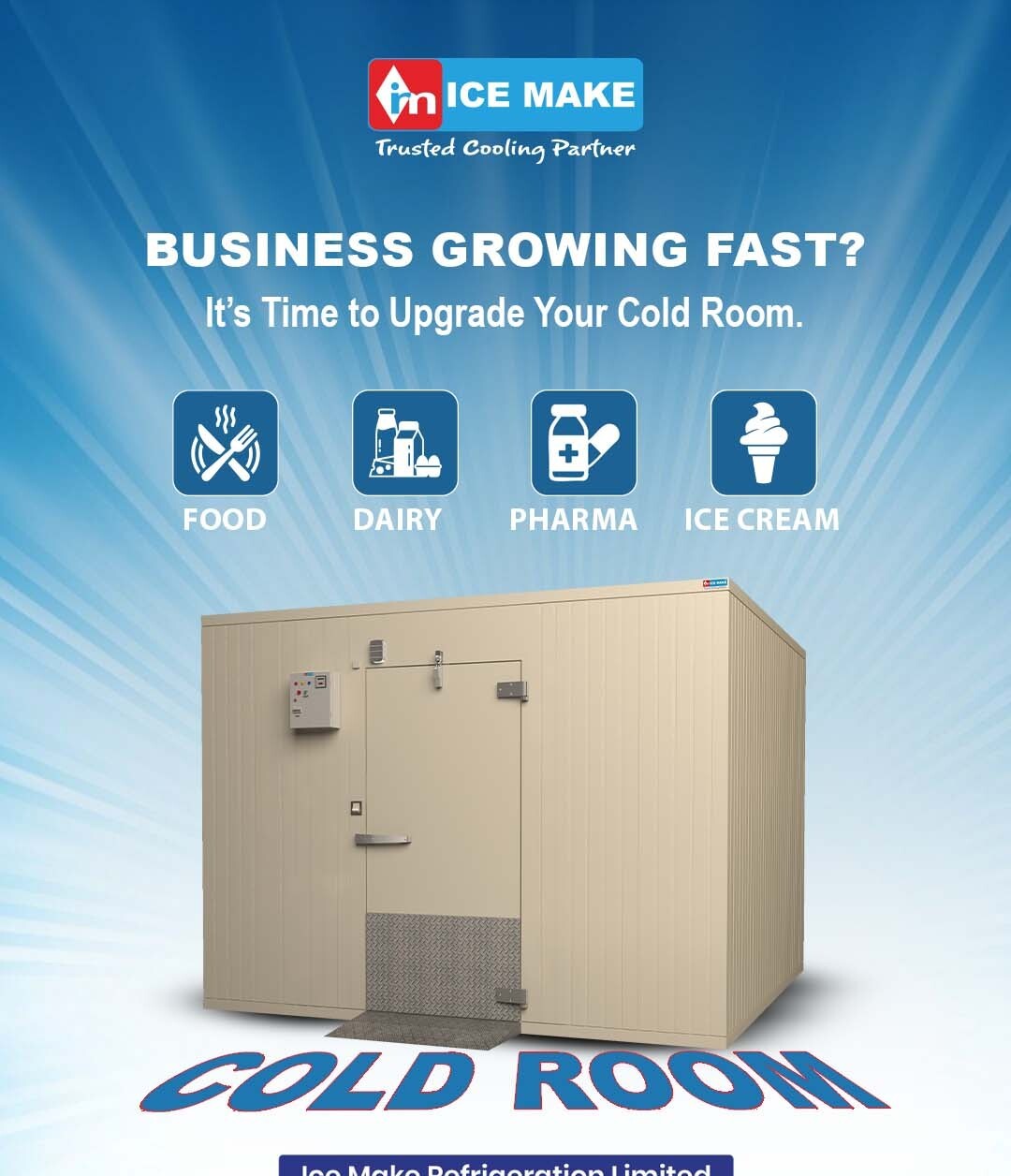
Cold storage technology is becoming increasingly important in Nepal. Businesses dealing with food, agriculture, pharmaceuticals, dairy, and hospitality now depend heavily on reliable refrigeration systems to preserve product quality and reduce waste. Choosing the right cold room supplier in Nepal can directly impact your business efficiency and profitability. Among the growing refrigeration companies in Nepal, R.M Agrotech has established itself as a trusted provider of advanced cold room and refrigeration solutions. The company offers customized cold storage systems designed for Nepal’s unique climate and industrial requirements. From modular cold rooms to industrial freezer rooms, R.M Agrotech delivers energy-efficient, durable, and cost-effective cold storage solutions for businesses of all sizes.
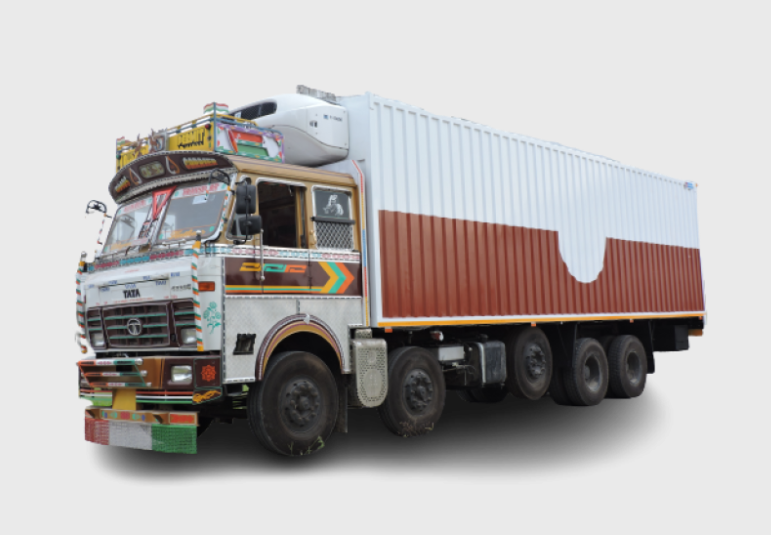
In today’s food processing, pharmaceutical, and cold chain industries, maintaining the right storage temperature is essential for preserving product quality and safety. One of the most effective solutions for temperature-controlled transportation and storage is the MS Corrugated Refrigerated Container. These containers are widely used for storing and transporting perishable goods such as fruits, vegetables, dairy products, meat, seafood, medicines, and frozen foods under controlled temperature conditions.
Cold rooms are essential for storing temperature-sensitive products such as fruits, vegetables, dairy products, meat, pharmaceuticals, and frozen foods. These refrigeration systems operate continuously to maintain low temperatures, which results in high energy consumption. During the cooling process, a large amount of heat generated by compressors and condensers is usually wasted into the environment. A Heat Recovery Unit (HRU) in a cold room helps capture and reuse this waste heat, improving overall energy efficiency and reducing operating costs.
Ice candy is one of the most popular frozen snacks enjoyed by people of all ages, especially during hot summer seasons. With increasing demand for flavored frozen treats, many businesses are investing in modern ice candy production machines to improve production efficiency and product quality. These machines are designed to automate the process of making ice candy, ensuring hygienic production, uniform freezing, and higher output.
The dairy industry plays a major role in supplying nutritious products such as milk, curd, butter, cheese, yogurt, and ice cream to consumers. To ensure these products are safe, hygienic, and high in quality, milk must go through a proper processing system. This is where a dairy processing plant becomes essential. A dairy processing plant is a specialized facility where raw milk is collected, processed, pasteurized, packaged, and stored under controlled conditions before reaching consumers.
In industries where continuous cooling is essential, efficient thermal storage systems play a major role in reducing energy consumption and improving refrigeration performance. One such important system is the Ice Building Tank (IBT). Ice building tanks are widely used in dairy plants, food processing industries, beverage cooling systems, and industrial refrigeration applications where stable and efficient cooling is required.
Ice cream is one of the most popular frozen desserts enjoyed worldwide. However, producing high-quality ice cream requires more than just mixing ingredients and freezing them. One of the most important steps in industrial ice cream production is the hardening process, which is carried out using an ice cream hardener. This equipment plays a crucial role in giving ice cream its final texture, stability, and long shelf life.
In modern cold chain logistics, maintaining the right temperature during transportation is essential for preserving the quality and safety of perishable goods. Industries such as food distribution, dairy, pharmaceuticals, and frozen products rely heavily on refrigerated transport systems. Two commonly used technologies in this field are eutectic systems and conventional refrigerated transport. While both aim to maintain low temperatures, they operate in very different ways and offer distinct advantages.
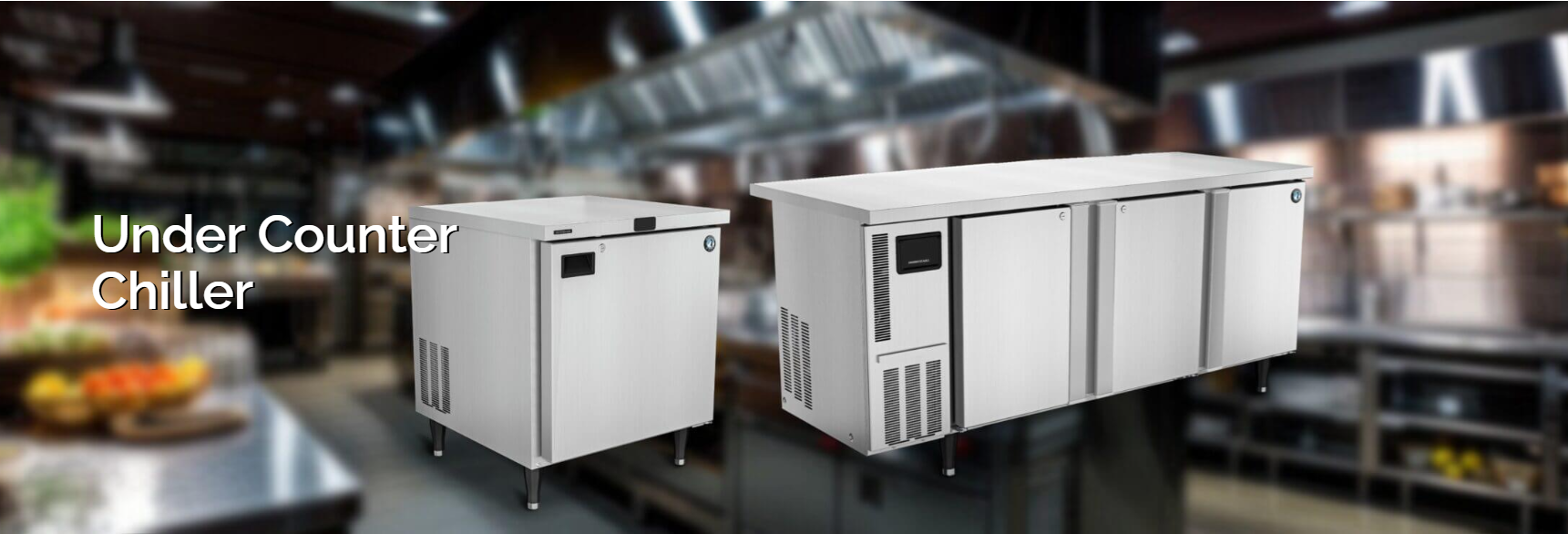
In modern commercial kitchens, efficiency and proper food storage are essential for smooth operations. Restaurants, hotels, cafes, bakeries, and catering businesses all require reliable refrigeration systems to maintain food quality and speed up workflow. One of the most practical refrigeration solutions for busy kitchens is the under counter chiller. Compact, space-saving, and highly efficient, an under counter chiller helps improve kitchen productivity while ensuring ingredients remain fresh and safe.
Temperature-controlled storage systems are widely used in healthcare, food processing, agriculture, and pharmaceutical industries. Among these systems, mortuary chambers and cold rooms are commonly used for preservation purposes. Although both use refrigeration technology to maintain low temperatures, their purpose, design, and applications are completely different. Understanding the difference between a mortuary chamber and a cold room is important for selecting the right solution for specific needs.
In the modern dairy industry, maintaining milk quality after collection is one of the biggest challenges for farmers and dairy businesses. Fresh milk can spoil quickly if it is not cooled immediately, especially in warm climates. This is where a Bulk Milk Chiller (BMC) becomes essential. A bulk milk chiller is designed to rapidly cool and store milk at the required temperature, helping dairy farms maintain quality, reduce losses, and increase profitability.
Curd is one of the most widely consumed dairy products and is an important part of daily diets in many countries. In commercial dairy processing, maintaining the right temperature and hygienic conditions during curd production is essential for achieving consistent quality. This is where a curd incubation chamber plays an important role. It provides a controlled environment that helps milk ferment properly and turn into high-quality curd with the desired texture and taste.
When it comes to implementing reliable cold room solutions in Nepal, having the right local partner is just as important as choosing the right technology. This is where R.M Agrotech Pvt Ltd plays a critical role. R.M Agrotech Pvt Ltd is the authorized dealer of Ice Make Refrigeration Ltd. in Nepal, delivering complete cold room solutions backed by local expertise and nationwide support. What R.M Agrotech Brings to the Table Unlike suppliers who only provide equipment, R.M Agrotech offers a complete end-to-end solution, ensuring that businesses get not just a cold room—but a fully functional, efficient system.
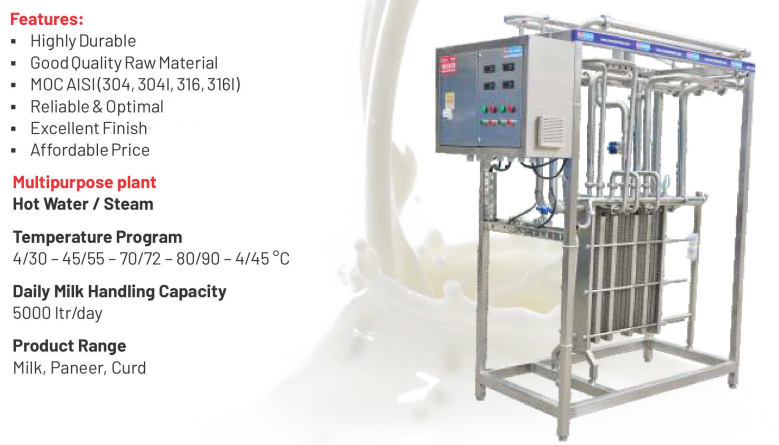
Milk pasteurization is one of the most important processes in the dairy industry. It helps in making milk safe for consumption by destroying harmful microorganisms without affecting its nutritional value. The two most widely used methods are Low Temperature Long Time (LTLT) and High Temperature Short Time (HTST) pasteurization. Although both methods aim to ensure milk safety, they differ in temperature, processing time, efficiency, and industrial application.
Access to clean and cool drinking water is essential in every home, office, school, hospital, and commercial space. To meet this need, two commonly used systems are water coolers and water dispensers. Although both are designed to provide drinking water, they differ in structure, capacity, usage, and efficiency. Understanding these differences helps users choose the most suitable option for their needs.
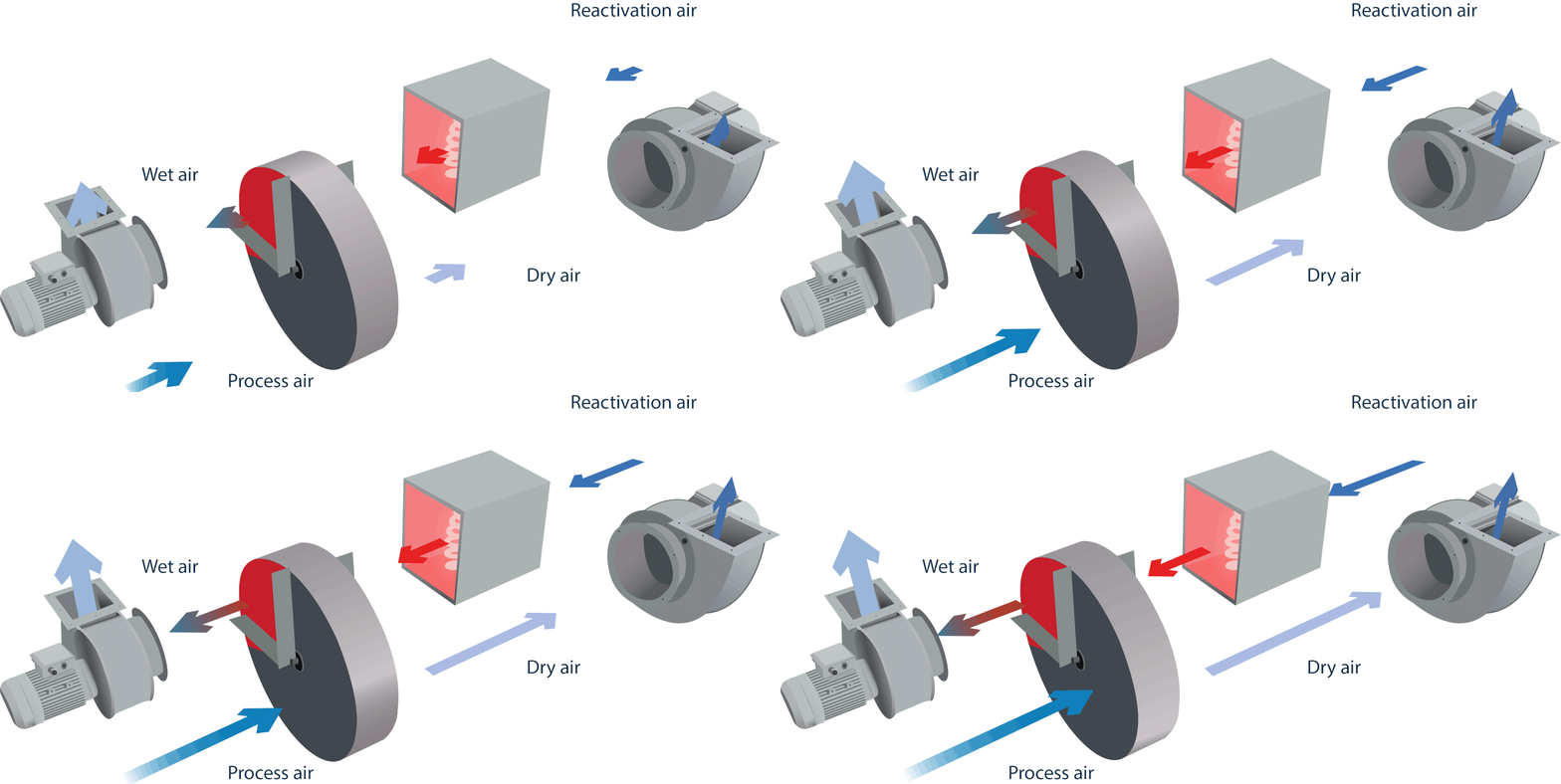
Cold rooms are an essential part of the food, dairy, pharmaceutical, and agricultural industries. They are used to store perishable products under controlled temperature conditions so that freshness, quality, and safety can be maintained for a longer time. However, temperature control alone is not sufficient. Humidity control is equally important in cold storage systems, and this is where humidifiers and dehumidifiers play a major role.
Refrigeration is an essential part of the modern food and beverage industry. Whether it is a small retail shop or a large supermarket, proper cooling equipment ensures product freshness, safety, and longer shelf life. Two of the most commonly used refrigeration systems are the visi cooler and the deep freezer. While both are used for cold storage, they are designed for different purposes and operate under different temperature conditions.
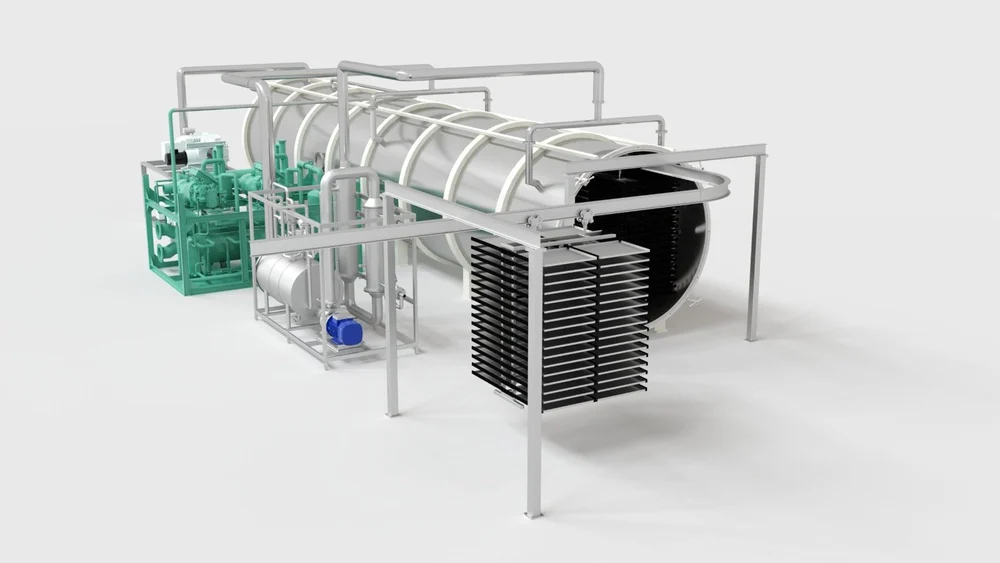
Food preservation is one of the most important parts of the modern food processing industry. With increasing demand for long shelf-life and high-quality food products, advanced drying technologies like the vacuum freeze dryer and heat pump food dehydrator are widely used. Although both systems are designed to remove moisture from food, they work differently and produce different results in terms of quality, cost, and efficiency.
Food preservation has become increasingly important in today’s agriculture and food processing industries. Among the modern technologies available, the heat pump food dehydrator stands out as an energy-efficient and reliable solution for drying a wide variety of food products. It uses controlled temperature and humidity conditions to remove moisture while maintaining the food’s natural quality, making it ideal for both small-scale and commercial use.
In the modern dairy industry, maintaining product quality and safety is a constant challenge due to the highly perishable nature of milk and dairy products. A dairy plant in cold room setup has become an essential solution for ensuring freshness, extending shelf life, and meeting food safety standards. From milk collection to final distribution, cold rooms play a critical role in preserving the nutritional value and taste of dairy products.
In industries where temperature control is critical, a chilling plant plays a vital role in maintaining product quality and operational efficiency. From food processing and dairy industries to pharmaceuticals and cold storage facilities, chilling plants are widely used to remove heat and maintain low temperatures. Understanding how a chilling plant works can help businesses make better decisions when investing in cooling systems.
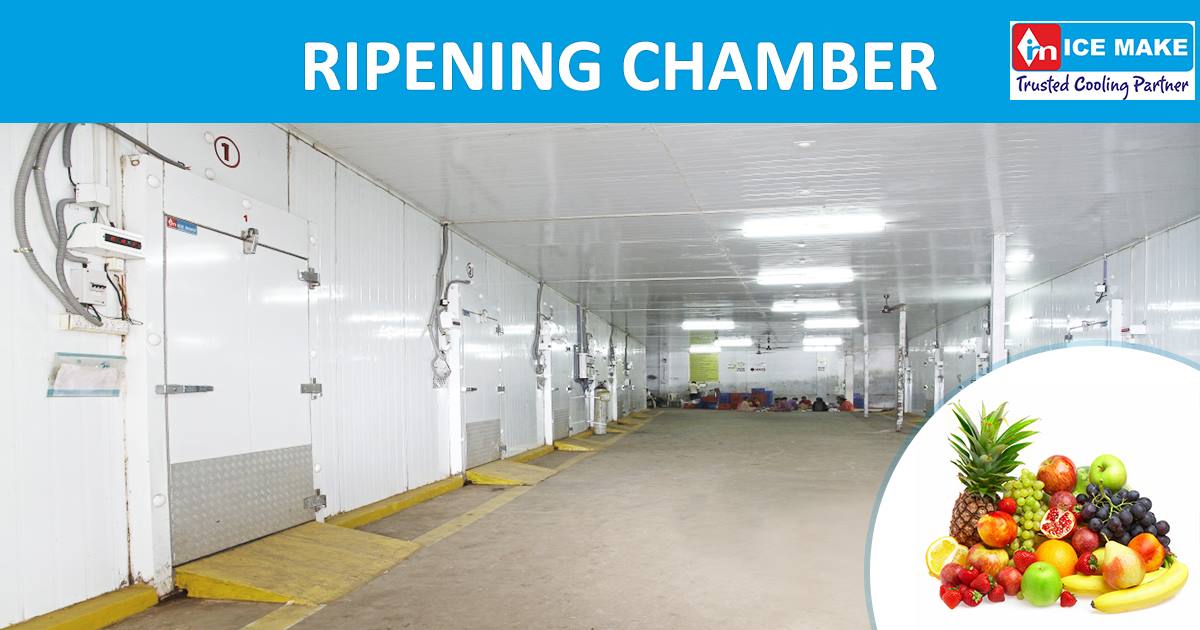
In modern agriculture and the food supply chain, managing the ripening process of fruits is just as important as growing them. Fruits like bananas, mangoes, papayas, and tomatoes require controlled conditions to ripen properly and maintain their quality. This is where a ripening chamber in a cold room becomes highly useful. It is a specially designed storage system that creates ideal environmental conditions for fruits to ripen naturally, safely, and uniformly.
Cold rooms have become an essential part of modern businesses that deal with perishable products, such as fruits, vegetables, dairy, meat, and pharmaceuticals. While many business owners focus on refrigeration systems, insulation is often overlooked. The thickness of insulation plays a crucial role in maintaining temperature stability, improving energy efficiency, and controlling long-term costs. Selecting the right insulation thickness can make a significant difference in both product quality and overall profitability.
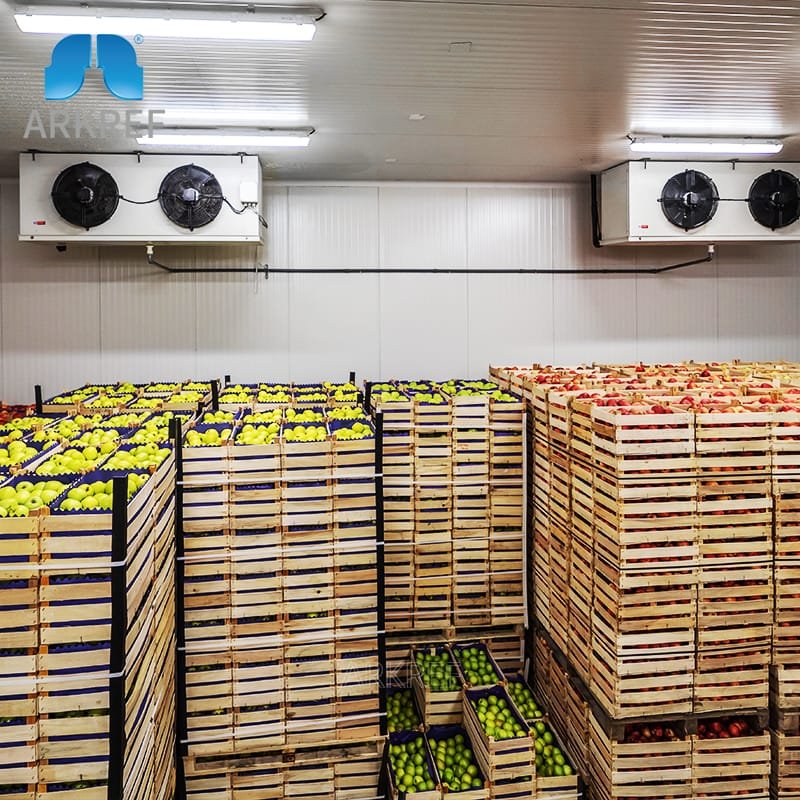
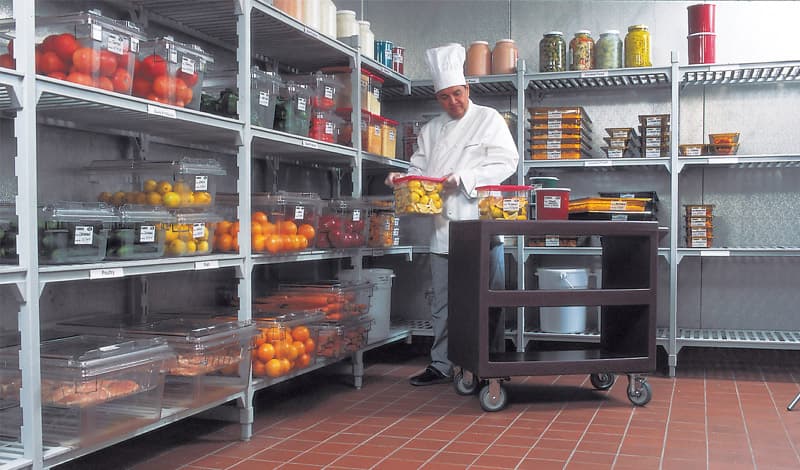
Proper storage of fruits and vegetables is one of the biggest challenges for farmers, traders, and food businesses. Fresh produce is highly perishable, and without the right storage conditions, it can quickly lose quality and market value. Cold room storage offers an effective solution by maintaining controlled temperature and humidity levels. When used correctly, it helps extend shelf life, reduce waste, and increase profitability.
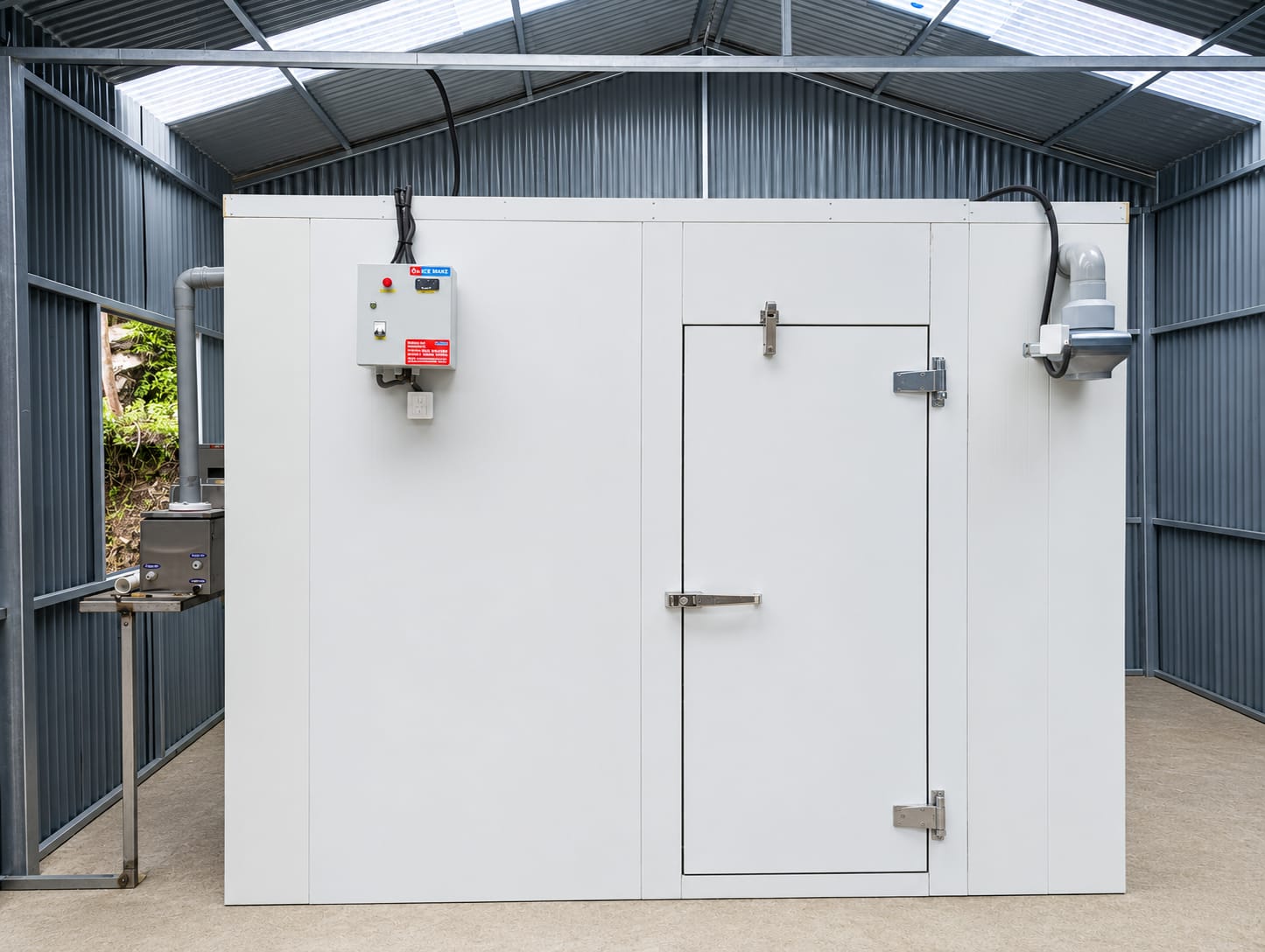
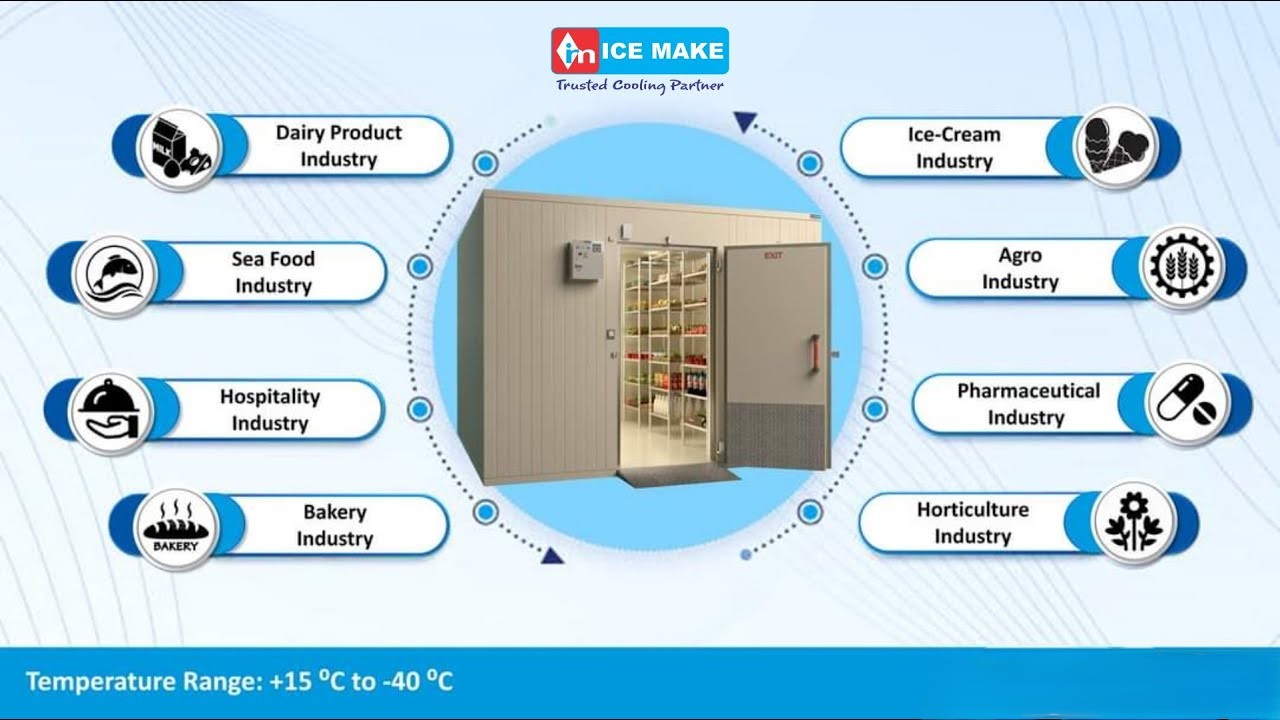
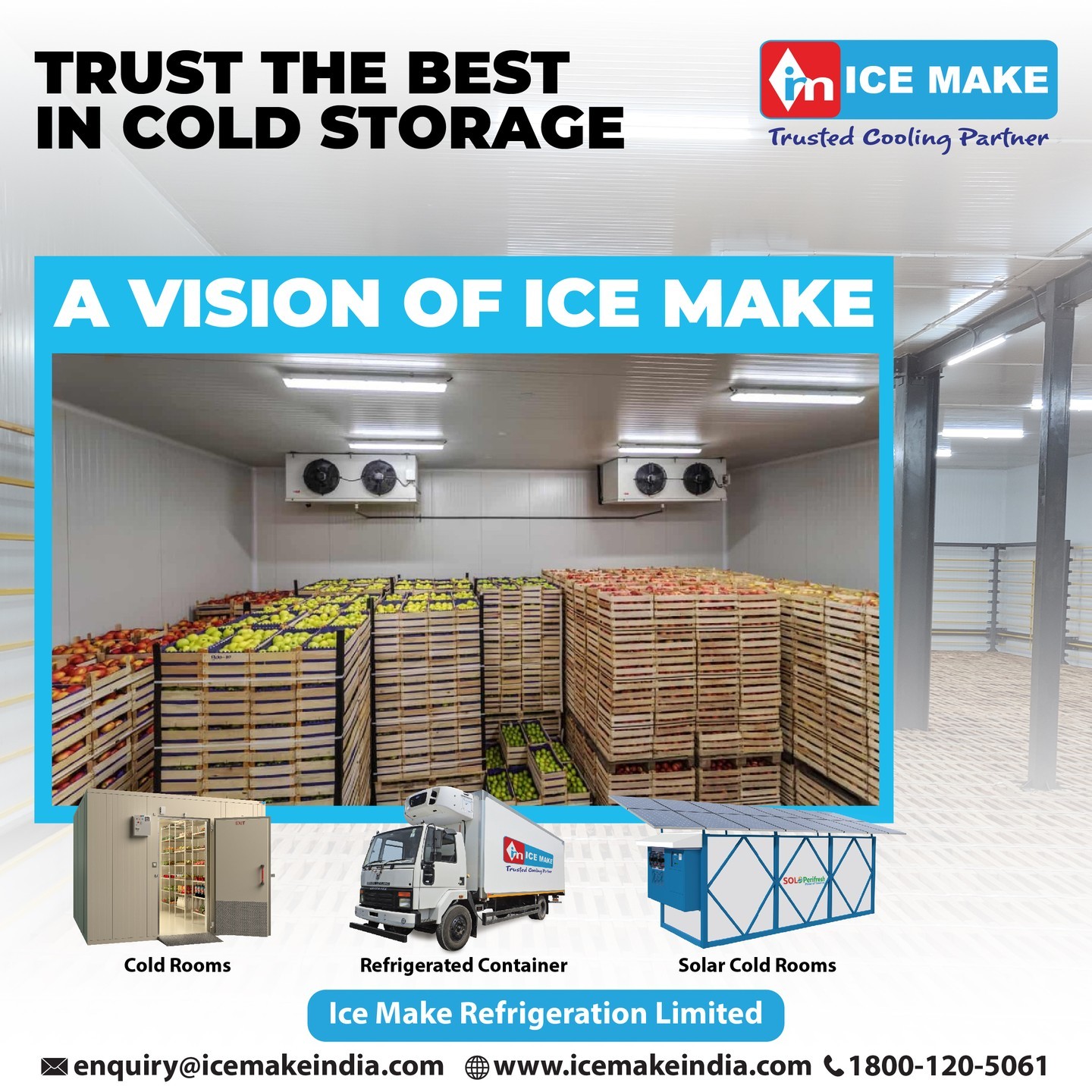
Choosing the right cold room is essential for any business that deals with perishable products. Whether you run a farm, food processing unit, restaurant, or pharmaceutical business, proper cold storage helps maintain quality, reduce waste, and increase profitability. However, selecting the right system requires careful planning and understanding of your specific needs.
For farmers, cooperatives, and food businesses in Nepal, installing a cold room is essential to reduce post-harvest losses, maintain product quality, and increase profits. However, a cold room is an investment, and its proper installation is crucial for efficiency and durability. RM Agrotech, an authorized dealer of ICE MAKE Refrigeration in Nepal, provides a step-by-step checklist to guide you through the installation process.
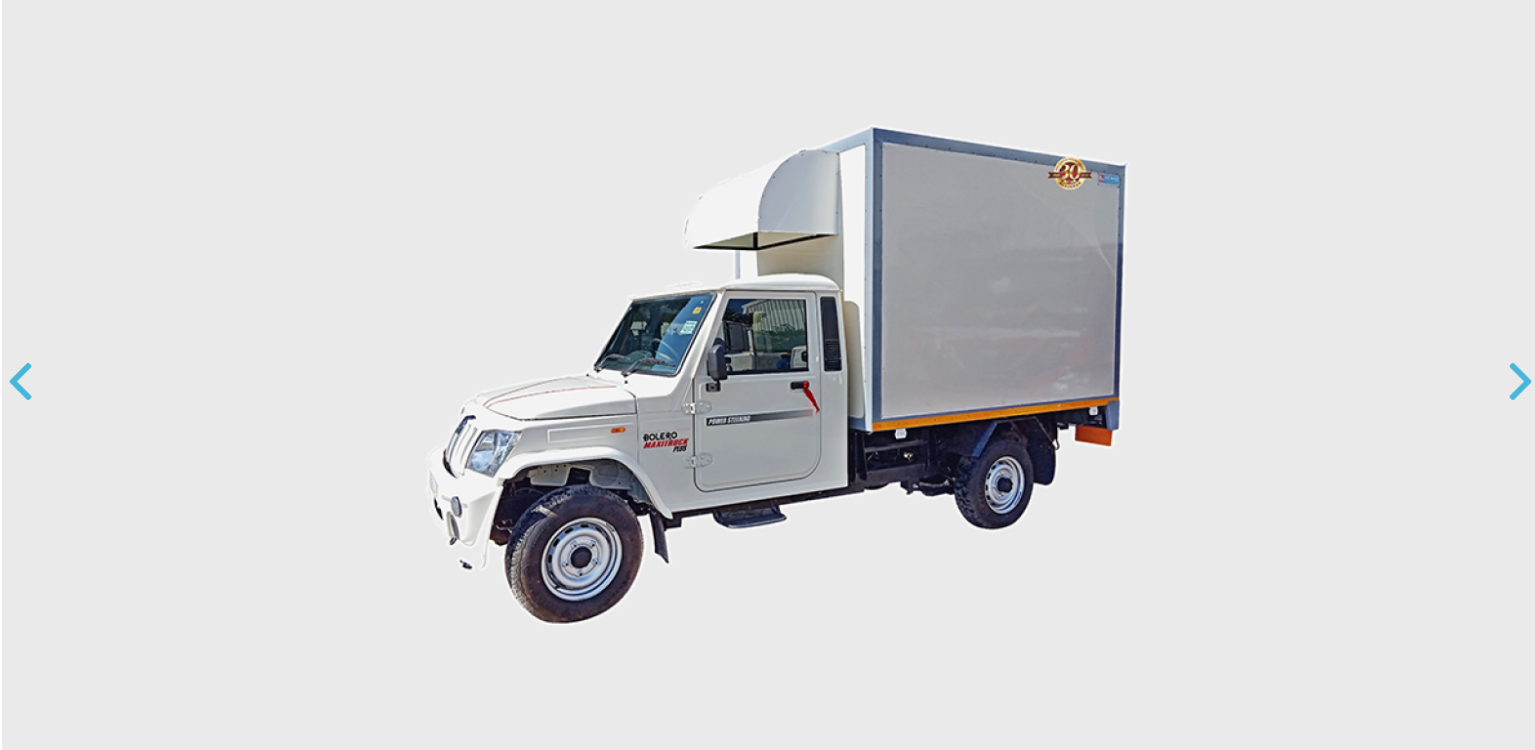
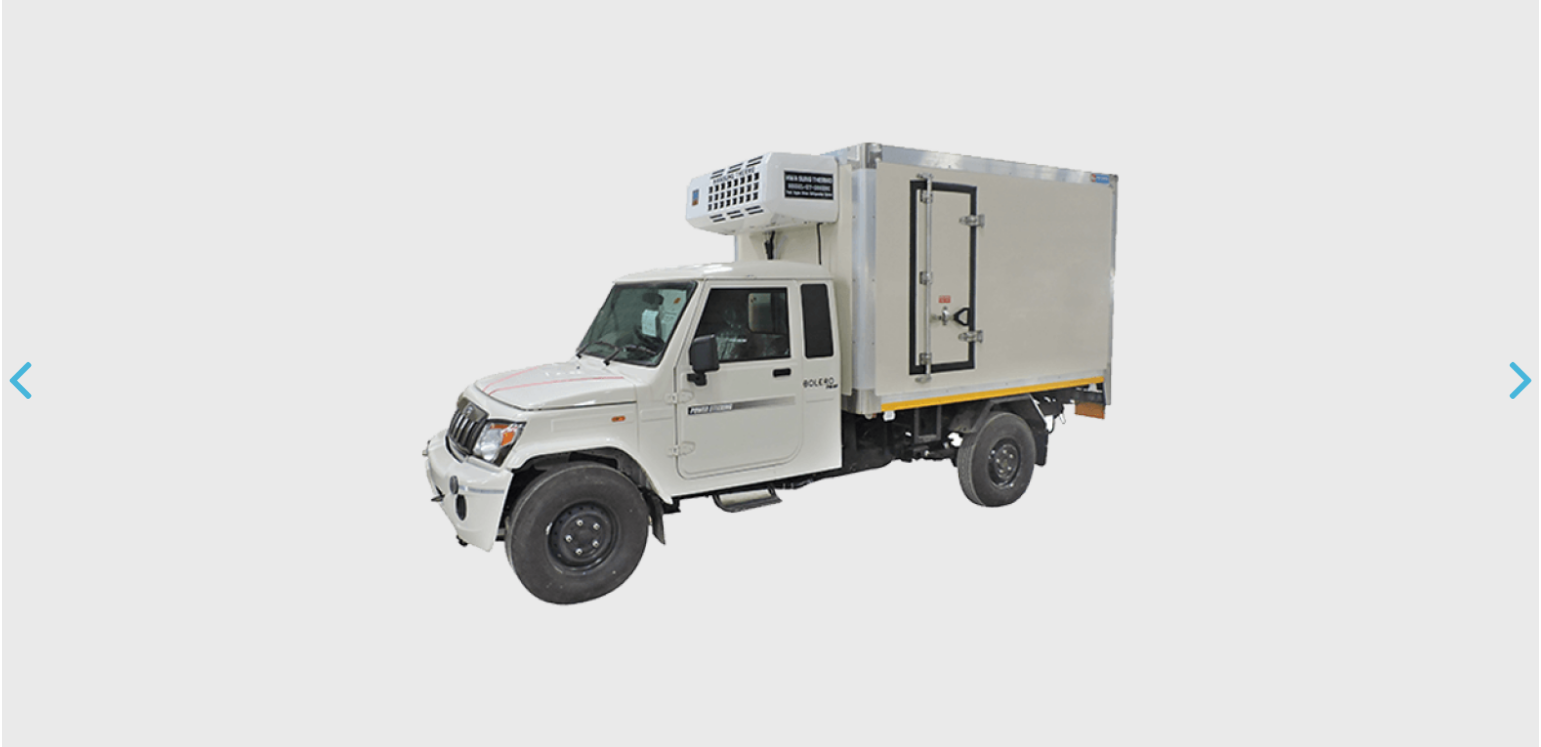
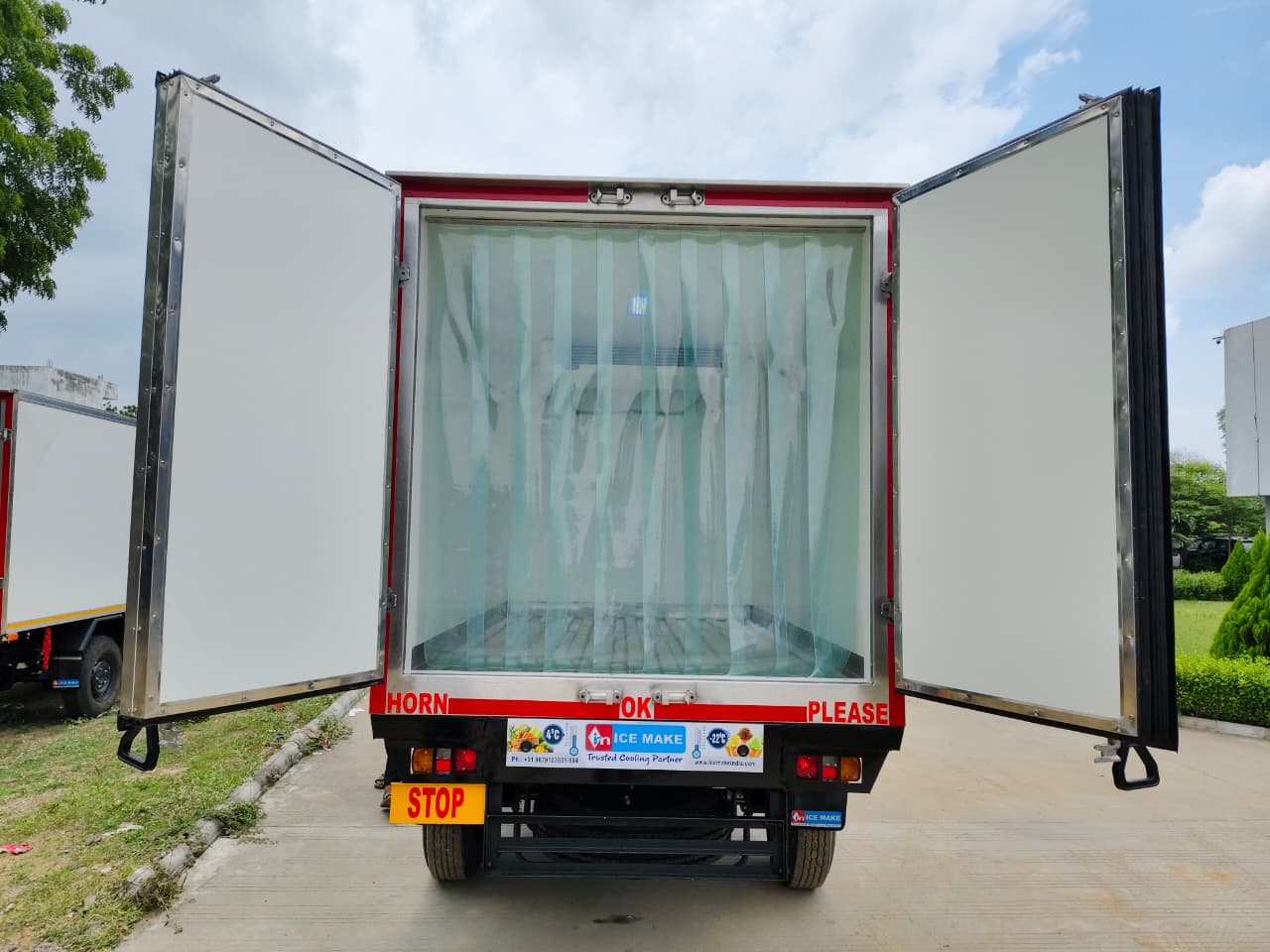
Fresh farm produce is the backbone of Nepal’s agricultural economy. From fruits and vegetables to milk, cheese, meat, and eggs, maintaining product quality during transportation is a major challenge. Without proper storage and transport, a significant portion of produce can spoil before reaching the market, leading to financial losses and reduced quality for consumers. This is where ICE MAKE Mobile Cold Storage and Refrigerated Vehicles provide an effective solution, helping farmers and cooperatives minimize losses and maximize profits.
Keeping milk and ice-cream fresh in Nepal is not easy. High temperatures, frequent power cuts, and long transport times often cause milk to spoil and ice-cream to melt. For dairy owners and ice-cream makers, this leads to losses and unhappy customers. One of the best solutions is Ice-Make Cold Storage. This system helps keep products at the right temperature, even when electricity is unreliable. And in Nepal, RM Agrotech Pvt. Ltd. is the authorized dealer and service provider of Ice-Make Refrigeration, offering trusted solutions for dairy and ice-cream businesses across the country.
Banana ripening chambers and cold rooms are the most practical way to reduce banana losses in Nepal, maintain uniform yellow colour, and supply the market on time.
Looking for reliable cold store suppliers in Nepal? Learn why cold storage matters for agriculture, pharmaceuticals, dairy, and cosmetics—and how R.M. Agrotech Pvt. Ltd delivers energy-efficient, customized cold rooms and cold stores across Nepal. Cold Store Suppliers in Nepal: Powering Quality, Safety, and Business Growth Cold storage is quickly becoming essential infrastructure in Nepal. As agriculture, food processing, pharmaceuticals, dairy, and consumer goods expand, businesses need reliable temperature-controlled storage to protect quality and reduce losses. If you are searching for cold store suppliers in Nepal, this guide explains where cold storage adds value, which industries depend on it, and what to look for when choosing a supplier. It also highlights R.M. Agrotech Pvt. Ltd as a trusted cold store solution partner in Nepal.
Starting a dry food business in Nepal with heat pump dehydrators is a smart way to turn local fruits, vegetables, and herbs into high‑value products that sell all year. With the right setup, you can start small, control your costs, and still build a brand that looks and feels professional.
In Nepal’s rapidly growing cold chain sector, businesses need reliable, energy-efficient, and long-lasting cooling solutions. From cold rooms and ripening chambers to dairy, meat, pharma, and agriculture storage—accurate temperature and humidity control define product quality and shelf life. R.M. Agrotech Pvt. Ltd. is a trusted B2B supplier and the authorized dealer of Ice Make Refrigeration India, delivering advanced refrigeration units and humidification systems across Nepal. With strong engineering, genuine products, and reliable service support, we help industries build efficient and stable cold storage environments.
Cold storage plays a crucial role in Nepal’s agricultural, food processing, and industrial sectors. From preserving fruits and vegetables to maintaining the quality of meat, dairy, pharmaceuticals, and frozen goods, cold stores help businesses reduce losses and maintain consistent product availability. If you are planning to build a cold store in Nepal, understanding the cost factors is essential. This guide explains what affects cold store pricing and how R.M. Agrotech Pvt. Ltd. can support you with complete consulting, supply, and service solutions
Selecting the appropriate drying technology is one of the most crucial choices for your company if you work in the food processing, herbal, mushroom, or agro-based industries. These days, two of the most widely used technologies are: Lyophilizer (Vacuum Freeze Dryer) Conventional Hot-Air Dehydrator Although both machines dry food, they differ greatly in terms of quality, nutrients, texture, and profitability. We compare the two technologies in this guide to help you determine which is best for your company in 2025. Additionally, we present R.M. Agrotech Pvt. Ltd., a leading provider of comprehensive 360° drying solutions for industries.
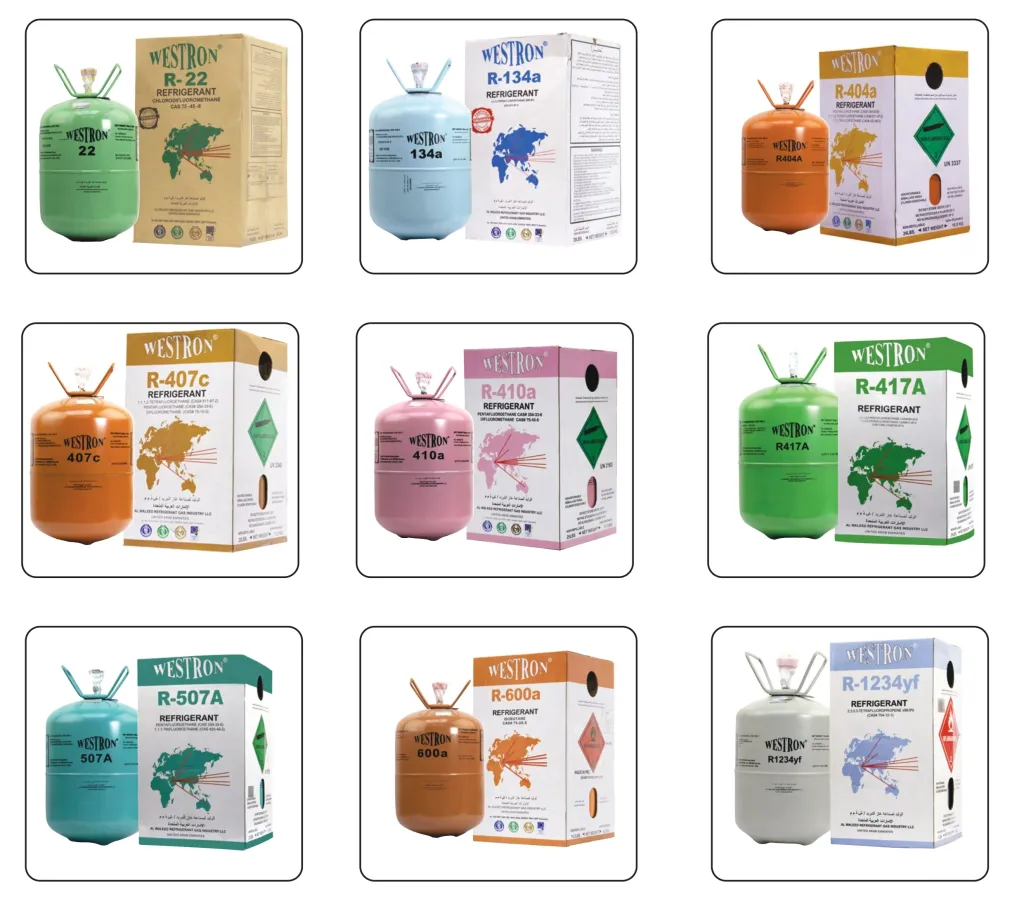
Refrigerant selection is about more than a code on a nameplate. In Nepal, owners balance safety, serviceability, ambient performance, future-readiness, and the realities of power and logistics. This non-promotional primer explains common refrigerants used in food, HoReCa, dairy, logistics, and pharma; outlines qualitative trade-offs; and suggests how to run safe, reliable systems with local training and spares. RM Agrotech implements ICEMAKE equipment with sensible controls and SOPs.
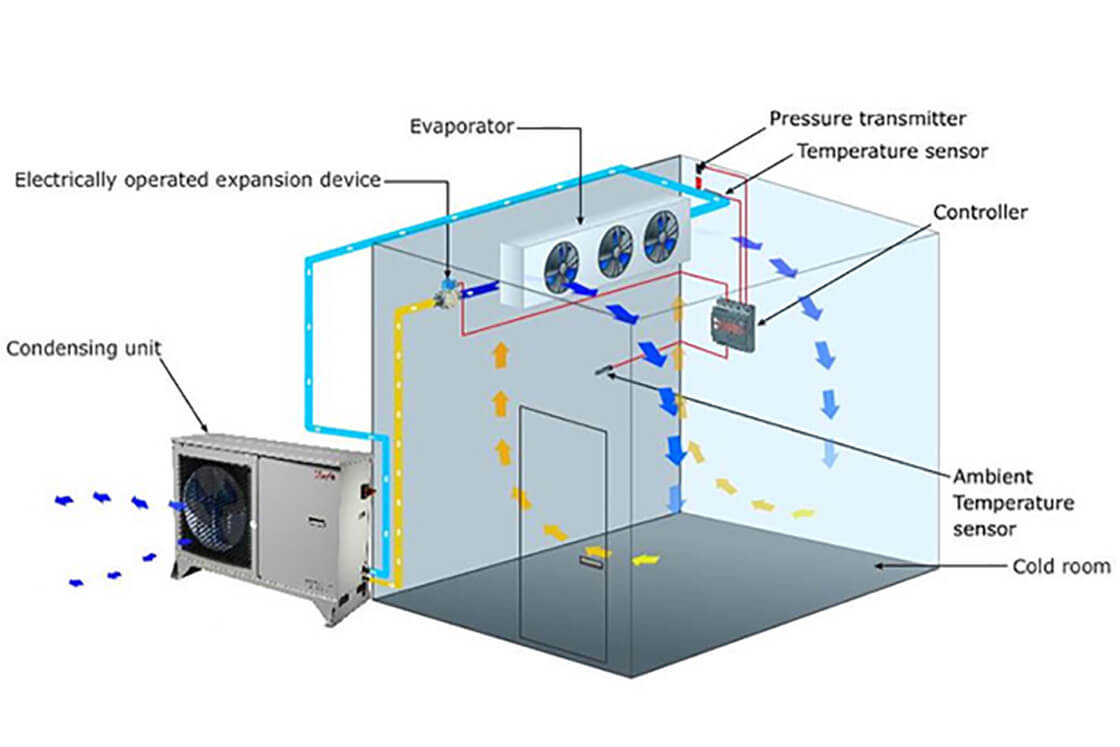
Many temperature problems are airflow problems: warm pockets behind stacks, frost near doors, and noisy graphs after loading. This practical guide shows how pallet/crate geometry, evaporator placement, and ducted vs. open coil decisions create uniform cooling in Nepal’s retail, HoReCa, dairy, meat/poultry, and logistics rooms. With simple marking, loading rules, and monitoring, teams can flatten the curve—without upsizing equipment.
Pre-cooling removes field heat before storage or transport. Done right, it stabilizes quality for produce moving from the Terai toward hill markets or into city distribution. This guide explains forced-air, hydro-cooling, and vacuum-cooling in clear terms, when each fits, and how to run simple SOPs that work with Nepal’s power reality. As the authorized ICEMAKE partner in Nepal, RM Agrotech helps design compact, serviceable pre-cooling lines that integrate with your cold rooms and dispatch flow.
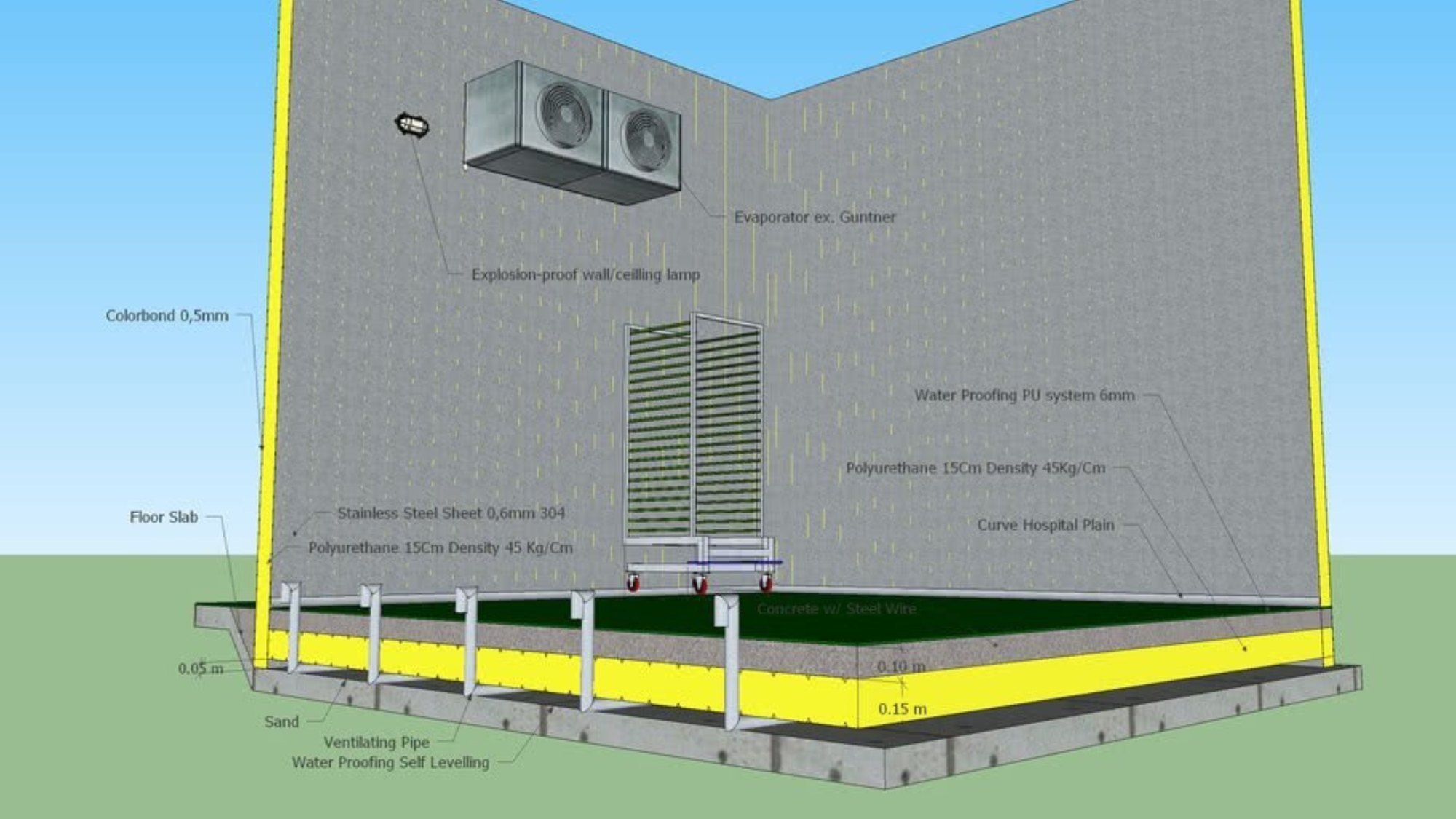
Wet floors, iced drains, and lingering odors are not “just part of cold rooms”—they’re design and operations issues you can fix. This Nepal-focused guide shows how floor construction, slopes, drain hardware, pan/line heat, and daily SOPs work together to keep rooms clean, dry, and stable across monsoon humidity, dust, and frequent door traffic. As the authorized ICEMAKE partner in Nepal, RM Agrotech helps owners design, install, commission, and train for drainage that works—so cooling can focus on cooling.
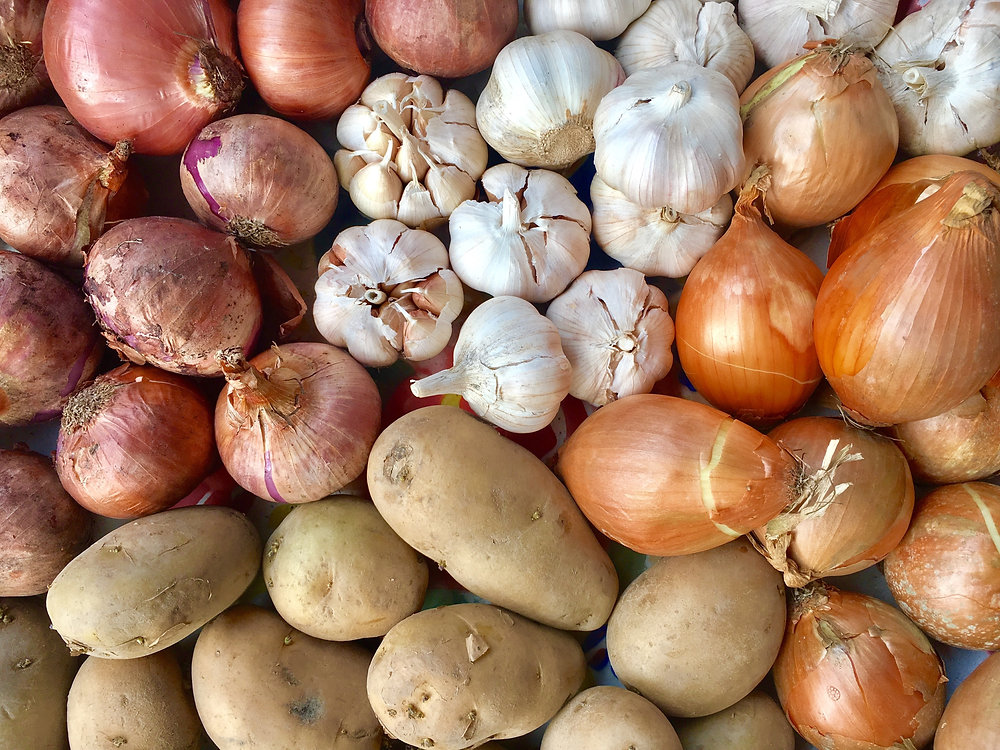
Potato, onion, and garlic behave differently in storage, yet many rooms treat them the same. This Nepal-focused guide explains curing, airflow design, stack geometry, and temperature/humidity bands that protect texture and reduce losses across Terai and hill belts. We cover envelope and door choices, evaporator placement, ventilation practices, and simple SOPs your team can run. RM Agrotech × ICEMAKE design, commission, and train for calm, everyday operation.
When the monsoon hits, moisture sneaks into every crack: through busy doors, porous envelopes, and even with people and crates. That moisture becomes condensation on ceilings and frost on coils—raising load, soaking cartons, and turning thresholds slippery. This practical guide shows Nepal operators how to control humidity using envelope discipline, air management at doors, defrost/drain tuning, and—where appropriate—dehumidification. RM Agrotech, as the authorized ICEMAKE partner in Nepal, helps design, commission, and train teams to keep rooms stable through monsoon peaks.
Direct expansion (DX) coils inside food zones can be hard to clean and tricky to service around people and product. A secondary-refrigerant approach—most commonly glycol—moves the refrigerant loop out to a safe plant area and circulates a food-zone-friendly coolant to process points. In Nepal, this architecture suits dairies, meat/poultry processors, and central kitchens that want stable temperatures, easier sanitation, and predictable maintenance. This guide explains how glycol systems work, how to size and pipe them, what to watch for in pumps, valves, and plate heat exchangers, and how RM Agrotech × ICEMAKE deliver fit-for-site solutions with simple SOPs.
Fresh fish quality is decided in the first hours after catch. In Nepal’s lakes and river corridors, simple flake ice, clean handling, and disciplined pre-chill protect texture, color, and shelf life—especially across rough roads and altitude changes. This guide maps a practical fisheries cold chain: on-boat/shore icing, insulated boxes, pre-chill at landing, hygienic pack, transport, and market storage. RM Agrotech × ICEMAKE support with flake ice plants, chilled rooms, and training so teams can run the chain every day.
Most temperature drift, frost buildup, and alarm fatigue start at the door. This practical guide explains how air behaves at thresholds, when to use PVC strip curtains, air curtains, and vestibules, and how pressure balance and placement of AHUs/evaporators keep infiltration from overwhelming a room. With Nepal’s power variability and tight footprints, small door decisions create big stability. RM Agrotech × ICEMAKE translate these into simple layouts and SOPs your team can live with.
For kitchens in Kathmandu, Pokhara, and tourist corridors, the cooling step often decides quality and safety. This article clarifies roles: blast chillers quickly bring hot food down to safe chilled levels, while freezers hold products at sub-zero for longer durations. We outline workflow, equipment selection, and SOPs—plus a practical checklist—to help kitchens build reliable cooling without overcomplication.
Designing cold rooms for Mustang, Dolpa, and similar corridors is different from specifying a system in the Valley. Access, power irregularity, dry cold air, intense sun, and long technician travel times all affect equipment choices. This article offers envelope-first design, power planning, serviceability, and commissioning practices that make operations predictable in remote districts.
Smart monitoring converts a cold room from a sealed box into a living, accountable system. In Nepal’s reality—voltage dips, outages, rugged transport, and multiple sites—automated temperature and humidity logs with alerts help teams respond early and document what happened. This guide outlines what to monitor, how alerting and dashboards actually help, and how to roll out monitoring without disrupting operations. You’ll leave with a step-by-step checklist to get started.
Discover how RM Agrotech and ICEMAKE are transforming Nepal’s meat, poultry, and HoReCa industry with hygienic, energy-efficient cold chain systems designed to extend shelf life, improve food safety, and support Nepal’s shift toward modern food handling standards.
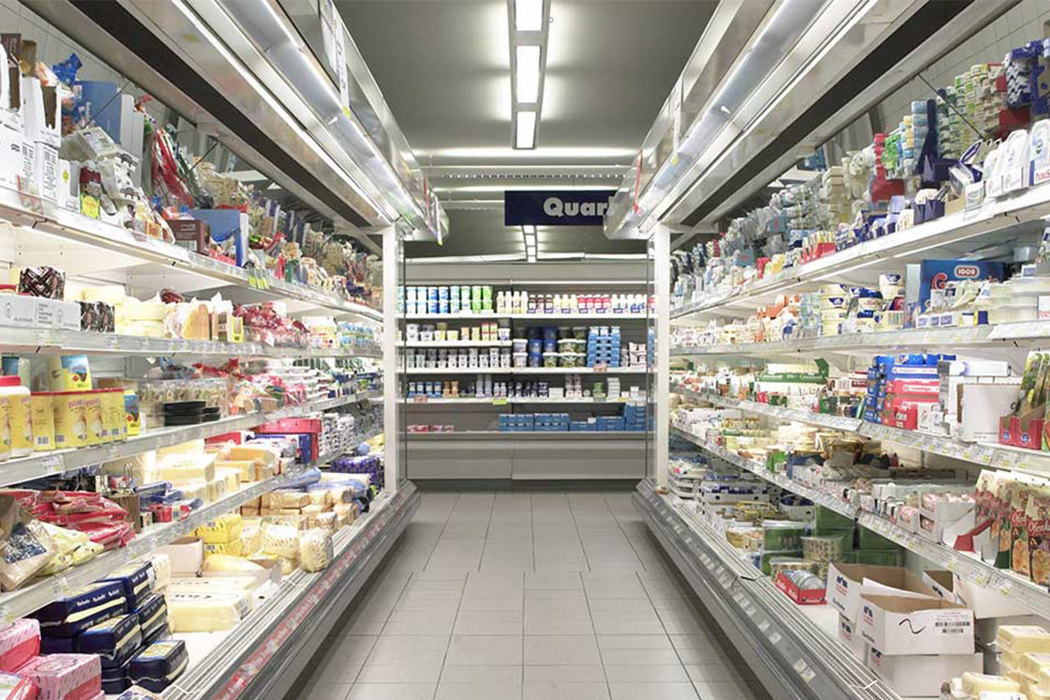
Discover how RM Agrotech and ICEMAKE are enabling the rise of supermarkets and modern retail chains in Nepal by delivering energy-efficient, hygienic, and scalable cold chain infrastructure designed for high-demand commercial environments.
Discover how RM Agrotech and ICEMAKE are empowering Nepal’s fast-growing cloud kitchens, delivery platforms, and quick-commerce brands with smart cold storage systems designed for batch cooking, safe holding, and high-volume, on-demand service.
Discover how RM Agrotech and ICEMAKE are accelerating Nepal’s transition to sustainable, energy‑efficient refrigeration — reducing operating costs, protecting product quality, and lowering environmental impact.
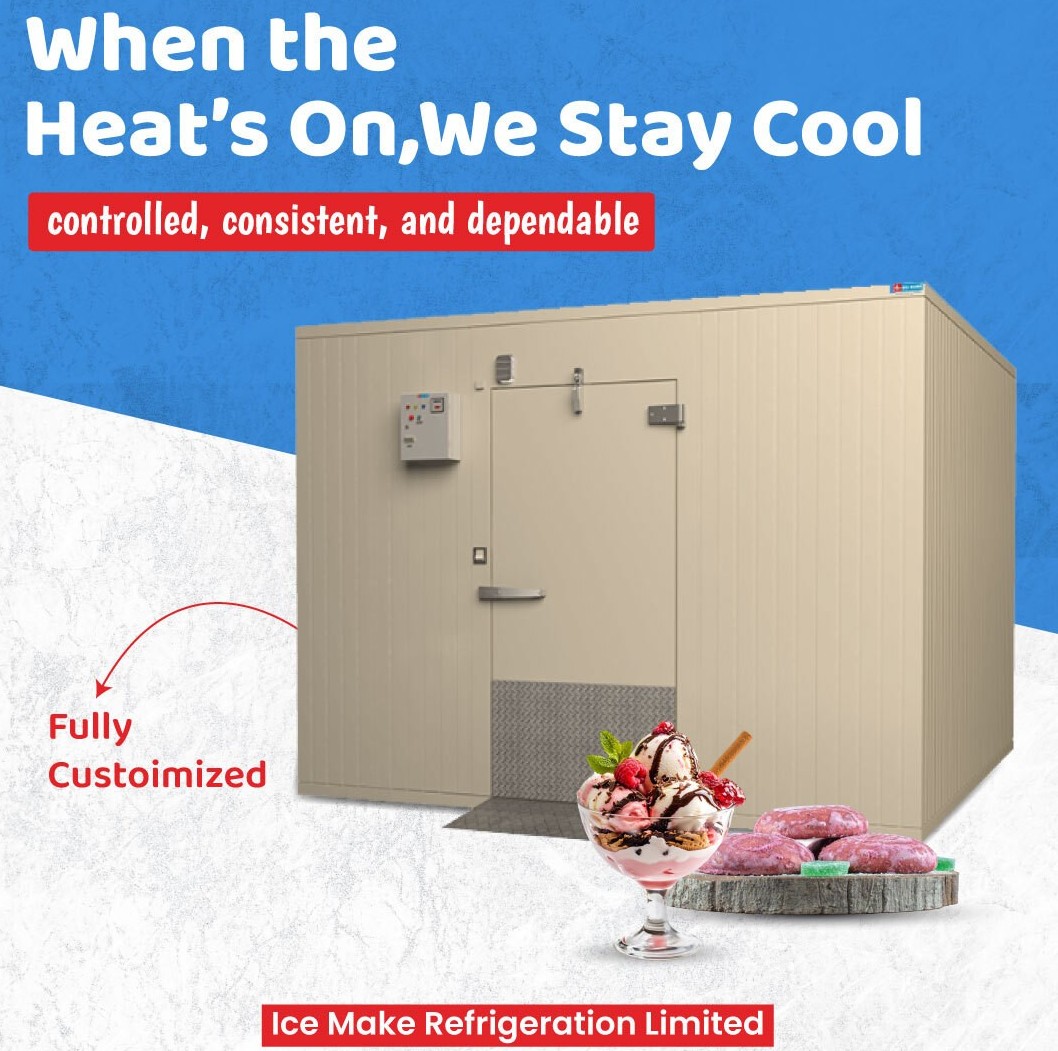
Explore how RM Agrotech and ICEMAKE are transforming Nepal’s food and hospitality industries with modular cold rooms — flexible, energy‑efficient, and built for long‑term reliability.
Discover how RM Agrotech and ICEMAKE are transforming Nepal’s cold chain sector with advanced industrial ice plants designed for efficiency, reliability, and sustainable growth.
ICEMAKE VISI Coolers, supplied and serviced in Nepal by RM Agrotech, are redefining how retailers, dairies, and beverage distributors keep products fresh, visible, and energy-efficient in every season. Walk into any modern retail shop in Kathmandu, Pokhara, or Biratnagar and you’ll notice one thing immediately — visibility. The chilled display full of milk, cold drinks, and packaged dairy products isn’t just storage; it’s presentation, marketing, and freshness combined. As Nepal’s retail and food industries evolve, businesses increasingly recognise that refrigeration is no longer optional. Whether it’s a small grocery in the Terai or a dairy cooperative in the hills, reliable cooling determines both sales and safety. ICEMAKE VISI Coolers, distributed exclusively in Nepal by RM Agrotech, combine elegant design, robust performance, and energy-efficient operation — offering the reliability global brands expect, backed by local service and maintenance expertise.

ICEMAKE heat pump dryers, supplied and serviced in Nepal by RM Agrotech, provide an energy‑efficient way to dry crops year‑round while maintaining product quality and sustainability. Every Nepali farmer understands the risks of relying on the sun. One cloudy afternoon can undo days of drying work, leaving crops at risk of mould, discolouration, and loss of value. In a country where weather varies by the hour, traditional open‑sun drying has long limited how far agro‑processors can scale. To move beyond this uncertainty, farmers are turning to energy‑smart technologies such as heat pump dryers — systems that make drying faster, cleaner, and more reliable all year round. ICEMAKE’s advanced dryers, now available in Nepal through RM Agrotech, combine proven international technology with local service and training to deliver consistent results and long‑term savings.
ICEMAKE refrigerated transport systems, supplied and serviced in Nepal by RM Agrotech, ensure that dairy, fruits, and vegetables reach markets fresh and safe across all terrains and seasons. Across Nepal, farmers and cooperatives face a constant race against time to deliver fresh produce to market before heat and distance cause spoilage. In a country of winding roads, steep gradients, and changing climates, maintaining the right temperature during transport can make the difference between profit and loss. ICEMAKE’s advanced refrigerated transport systems — distributed and supported in Nepal by RM Agrotech — are helping build a reliable cold chain that protects product quality from farm to consumer.
For any farmer in Nepal, the sight of a bountiful harvest is the culmination of months of back-breaking work, of nurturing saplings through harsh winters and monsoon rains. It’s the crisp, red apples from the high hills of Mustang and the sweet, sun-kissed mandarins from the orchards of Sindhuli. This is more than just produce; it’s a legacy, a source of pride, and the key to a family's future. But for too many, this moment of triumph is quickly shadowed by a race against time. The heartbreaking reality is that a significant portion of this precious harvest—some estimates say as much as 30-40%—is lost before it ever reaches a market. The clock starts ticking the moment a fruit is picked, and the pressure to sell immediately, often at rock-bottom prices during the glut season, can crush a farmer's spirit and profits. This is a story of unrealized potential, where a season's hard work can wither away. But what if you could stop that clock? What if you could give your harvest the time it deserves to find its true value? This is the promise we at RM Agro Tech Pvt. Ltd., in partnership with ICE MAKE REFRIGERATION LIMITED, want to help you realize.
In the 21st century, the efficacy of modern medicine is inextricably linked to the reliability of the cold chain. From life-saving vaccines to critical biologics like insulin, a vast and growing segment of the pharmaceutical industry is temperature-sensitive. For a developing nation like Nepal, which is making significant strides in improving its public healthcare infrastructure, maintaining this cold chain is not just a logistical challenge—it is a matter of national health security. The diverse geography, from the hot plains of the Terai to the remote mountainous regions, combined with inconsistent power infrastructure, creates a perfect storm for temperature excursions that can render life-saving medicines useless. A single break in this chain can lead to vaccine failure, loss of patient trust, and a significant financial burden. Addressing this critical vulnerability requires specialized, reliable, and robust refrigeration technology. It is in this vital context that RM Agro Tech Pvt. Ltd., as the authorized dealer for ICE MAKE REFRIGERATION LIMITED in Nepal, steps in as a guardian of public health, providing world-class pharmaceutical cold chain solutions.
In a world increasingly focused on food security and safety, the integrity of the cold chain is paramount. For Nepal, a nation with a rapidly growing urban population and a burgeoning middle class, the demand for high-quality protein, particularly meat and seafood, is at an all-time high. This presents a tremendous economic opportunity for local producers and processors. However, this opportunity is shadowed by a persistent and critical challenge: the rapid deterioration of perishable products. Traditional cooling methods are often too slow, allowing bacteria to thrive and compromising both the safety and quality of the meat. This leads to significant post-harvest losses, limits market reach, and poses health risks to consumers. To truly modernize and unlock the potential of Nepal's meat and seafood industry, a technological leap is required. This is where RM Agro Tech Pvt. Ltd., as the authorized dealer for ICE MAKE REFRIGERATION LIMITED in Nepal, provides the critical solution, introducing industrial-grade blast freezing technology to the Nepalese market.
Industrial water and brine chilling plants provide reliable cooling for food, beverage, and chemical processing in Nepal. Industrial chilling plants ensure process efficiency for Nepal's industries.
Glycol and water chillers deliver precise and efficient cooling for food, beverage, and pharma industries in Nepal. Glycol & water chillers power industrial cooling for Nepal’s processing plants.
Blast freezers help preserve freshness and quality of perishable produce in Nepal’s food supply chain. Blast freezers rapidly cool and preserve food products in Nepal.
Ammonia refrigeration systems provide large-scale, eco-friendly cooling for industrial applications in Nepal. Ammonia-based cooling systems offer sustainable industrial refrigeration for Nepal.
PUF panels and accessories improve insulation and energy efficiency in Nepal's cold storage facilities. PUF panels offer superior insulation for Nepal’s cold storage infrastructure.
Cold‑chain practices that keep organic produce true to its promise. Keep organic truly organic with RM Agrotech. #Organic #ColdChain
Cold‑chain practices that protect meat quality from plant to retail. Keep protein safe with RM Agrotech chillers, freezers, and reefers. #FoodSafety
Pre‑cooling, controlled environments, and careful handling to extend fruit availability. Stretch the season with RM Agrotech fruit storage. #Fruit #ColdChain
Multi‑zone room design so each crop sits in its comfort band. Stop over‑cooling one crop to save another—use RM Agrotech zoning. #ColdRooms
Field‑to‑coolroom routines that extend vase life and keep colors bright.
Cool‑dry storage and clean handling to keep spice value intact.
Pairing solar with efficient rooms for dependable cooling in Nepal’s grid‑constrained regions.
RM Agrotech milk chilling solutions protect flavor and safety from village collection to the plant.
: How RM Agrotech cold rooms cut wastage and keep produce market‑ready across Nepal
Stop mold, dampness, and product spoilage in cold rooms with effective dehumidification solutions tailored for Nepal’s storage facilities.
Discover how dampers improve airflow, prevent hot spots, and ensure energy-efficient, uniform cooling in Nepal’s cold storage facilities.